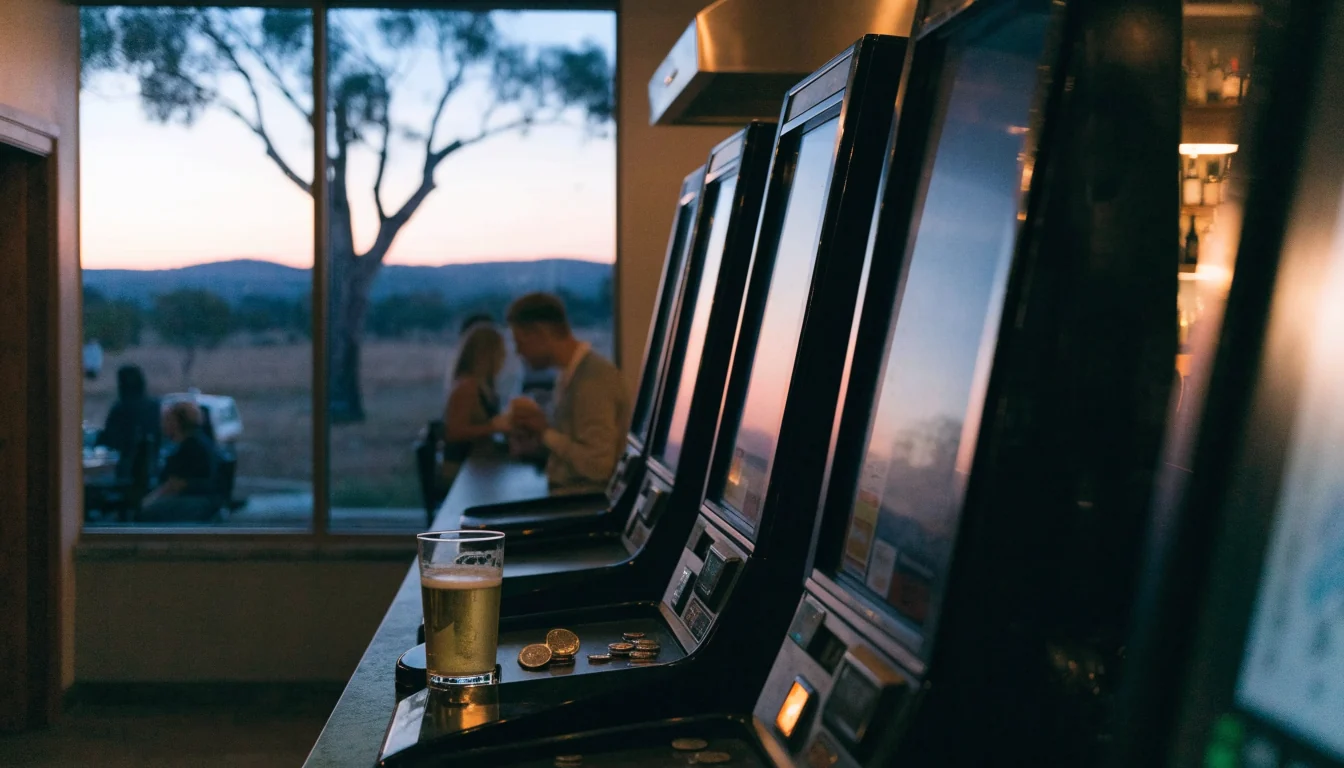
Best Casino in Western Australia: Hotel and Visit Guide
 Available in AU
A practical overview of room offers and common searches, from poker and dining to nearby accommodation and casino facilities.
Table of Contents
- Staying at the Casino: Rooms, Rates and the Hotel Offer
- Poker Rooms, Tournaments and What the Search Terms Actually Mean
- Online Casino Searches and the Australian Legal Reality
- Accommodation Near the Casino: Comparing the Stay
- Getting in Touch: Contact Details and Practical Enquiries
- Breakfast, Buffet Searches, Jobs and Rewards
- Opening, Events and the Casino’s Development
- Restaurants and Dining at the Casino
- Spa, Address, Bars and Dress-Code Searches
- Food-Court and Pool Searches: What Needs Verification
Staying at the Casino: Rooms, Rates and the Hotel Offer
A casino hotel sounds like a single purchase: a room attached to a venue, with the rest of the stay close at hand. In practice, the room and the casino are separate parts of the offer. A booking page needs to establish that accommodation is actually operated at the property, what room is being sold, and which services are included. The words “casino hotel” alone do not settle those details.
I have seen the word “deal” do a lot of work in hotel advertising. Sometimes it means a lower room rate; sometimes it packages the room with an extra whose value depends on the guest’s plans. The useful comparison is not the headline saving but the full booking conditions: room category, dates, cancellation terms, payment requirements and any included benefits. If those are difficult to find before payment, the price is only part of the picture.
Read the room offer, not the label
Room names can suggest a difference without explaining one. A standard room, a higher-category room and a suite should be compared through the details attached to each listing: bed configuration, occupancy, view, facilities and any restrictions on the rate. A photograph is illustrative, not a room specification. Nor does a general property description necessarily apply to every category.
Choosing an online casino while based in Western Australia calls for checking the details that matter to you, such as licensing, deposit options and payout information. This overview highlights the available facts for each listed operator to help you make an informed choice.
License: Curacao OGL/2024/1335/0780 · Min. deposit: EUR 20 Vegaz Casino lists a Curaçao licence, OGL/2024/1335/0780, and a minimum deposit of EUR 20.
License: Curacao Gaming Control Board OGL/2023/176/0095 (Hollycorn N.V.) Neospin is listed with a Curaçao Gaming Control Board licence, OGL/2023/176/0095, held by Hollycorn N.V.
License: Curacao · Min. deposit: A$20 (POLi) Lucky Dreams lists a Curaçao licence and a minimum deposit of A$20 via POLi.
License: Tobique Gaming Commission · Payout speed: crypto ~10-15 minutes, fiat 1-5 days · Min. deposit: A$30 SkyCrown lists a Tobique Gaming Commission licence and a minimum deposit of A$30. Its stated payout speeds are around 10–15 minutes for crypto and 1–5 days for fiat.
License: Curacao Gaming Control Board OGL/2023/174/0082 (Dama N.V.) SpinsUp is listed with a Curaçao Gaming Control Board licence, OGL/2023/174/0082, held by Dama N.V.
License: Curacao · Payout speed: crypto 30-60 minutes, fiat 1-5 days · Min. deposit: A$10 Wild Tokyo lists a Curaçao licence and a minimum deposit of A$10. Its stated payout speeds are 30–60 minutes for crypto and 1–5 days for fiat.
Payout speed: crypto ~90 minutes, fiat 1-5 days · Min. deposit: A$30 Kingmaker lists a minimum deposit of A$30. Its stated payout speeds are around 90 minutes for crypto and 1–5 days for fiat.
License: Curacao Gaming Authority (Jumpman Gaming Ltd) DragonSlots Casino is listed with a Curaçao Gaming Authority licence associated with Jumpman Gaming Ltd.
License: Curacao Gaming Control Board JustCasino is listed with a Curaçao Gaming Control Board licence.
License: Curacao Gaming Control Board OGL/2023/176/0095 (Hollycorn N.V.) GoldenCrown is listed with a Curaçao Gaming Control Board licence, OGL/2023/176/0095, held by Hollycorn N.V.
The rate itself needs the same scrutiny. A flexible booking and a restricted booking may show different prices because they do not offer the same terms. The lower figure may come with less room to change or cancel the reservation. That does not make it a poor offer; it makes the conditions part of the price. I would compare like with like, rather than treating the first displayed rate as the cost of every available room.
“Included” is another word worth slowing down for. It can refer to a particular benefit, not a general promise that every facility or service is covered. The booking terms should say what is included, who can use it, and whether it applies throughout the stay. If a benefit is described only in broad promotional language, its practical value is hard to judge.
For a Western Australian casino hotel, the first check is whether the accommodation listing belongs to the casino property itself and is available for the intended dates. The section title or a map pin cannot confirm that. A booking channel should identify the property and room clearly, while the terms should connect the selected rate to that room. This is a basic distinction, but it prevents a search for rooms at a casino from turning into an assumption that every nearby listing is part of the casino hotel.


Separate hotel access from casino hours
Hotel access and casino operating hours are not interchangeable details. A venue’s gaming-floor schedule does not, by itself, explain when hotel reception operates, when a guest can check in, or how arrival outside ordinary desk hours is handled. Those practical arrangements belong to the accommodation information. They should be confirmed through the property’s current booking or guest-service channels rather than inferred from casino hours.
The same separation applies to a room reservation and the wider venue. Booking accommodation does not automatically establish access to every facility, nor does it confirm that a particular amenity is open during a stay. Hotel terms are the place to look for what the room rate covers and how the stay is administered. Other venue details need their own confirmation.
I treat a hotel offer as a set of conditions, not a slogan. The room must be identifiable; the rate must have readable terms; and any extra must be described precisely enough to assess. If any of those pieces is unclear, the advertised price cannot carry the whole decision. No guesswork required.
Poker Rooms, Tournaments and What the Search Terms Actually Mean
A poker room and a casino room are not the same thing. The first usually means a space for playing poker; the second may mean a hotel bedroom, a gaming area, or simply an imprecise description of the venue. That distinction matters when comparing results: a page about accommodation cannot establish that poker is offered, and a general casino listing cannot establish that there is a dedicated poker room.
arcade labels like “poker room” do not guarantee specific games or schedules; only verified current information from the venue can confirm active poker play.
I have seen how a label can do more work than the details behind it. “Poker room” sounds like a settled facility, but it can also be a heading or a broad category. The wording alone does not show which games are available, whether play is regular, or whether the venue has a separate room at all. The practical test is whether the venue’s own current information describes poker play and specifies what the term covers. A name is not a schedule.
Tournament searches carry a different expectation. A tournament is an organised event with its own format and conditions, not just another way of saying that poker is played on site. A listing would need to make clear whether it describes a forthcoming event, a recurring series, or an old result left online. Dates and registration details are especially important because event information can become stale quickly. A page using the word “tournaments” does not, by itself, confirm that an event is currently available.
The same care applies to the plural. Search results may group past and future tournaments together, or use a category page that is not an active calendar. I would separate evidence of a poker offering from evidence of a particular event: one establishes, at most, that poker is discussed; the other needs current event details. Without those details, it is safer not to infer an entry opportunity or a regular programme.

“Poker at a Western Australian casino” is broader still. It can refer to a question about whether poker is offered, a report about a particular event, or discussion of play elsewhere. It should not be treated as confirmation of a local facility. I cannot turn those words into a venue fact. The useful distinction is between a verified description from the operator and third-party wording that may simply repeat a search label.
A sports bar is another separate category. It is not a poker room, and a mention of a bar does not verify poker tables or tournaments. Nor does a sports-bar listing prove that poker is available nearby within the same venue. These labels often sit close together in broad casino directories, but their proximity on a page is not evidence that the services are connected. Different question. Different proof.
Opening-status wording is also easy to overread. A result suggesting that a casino is open today or open now may refer to the venue generally, not a poker room, tournament registration, or a particular table. Even where a building is operating, that does not establish that every activity is running at that moment. Poker-specific availability needs poker-specific information.
My rule is to keep the claim no larger than the evidence. A room label, a tournament calendar and a general venue page answer different questions. If a listing does not identify poker play or provide current event information, it should not be presented as proof of a poker room or tournament in Western Australia. That is a narrower answer than an advertisement, but a more useful one.
- Verify event dates and registration details
- Check for current venue-specific descriptions
- Separate poker offerings from specific events
- Assume a “poker room” label confirms active play
- Infer availability from broad search terms
- Use sports bar listings as proof of poker tables
Online Casino Searches and the Australian Legal Reality
A search for the best casino in Western Australia can point in two different directions. One is a physical venue, with questions about visiting it. The other is an online casino supposedly available from the state. They are not interchangeable. The rules for online gambling do not describe what a land-based venue offers.
The Interactive Gambling Act 2001 prohibits operators based in Australia from providing real-money online casino games to people in Australia. That includes pokies, blackjack and roulette. In practical terms, an Australian business cannot lawfully offer those online casino services to people located here. Sports betting is treated differently, but it does not make online casino games lawful.
Offshore platforms sit in a different, less protected position. It is technically not illegal for an Australian player to use one, but such a platform is not regulated under Australian law. That distinction can be lost in promotional wording: being reachable online is not the same as being authorised to provide casino games in Australia. Lawful gambling providers operating in Australia need an ILGA licence; that does not make offshore casino services lawful here.
There is also a practical access problem. Online casinos and software providers can use a player’s IP address to estimate their location and restrict access by country. When a game is blocked for Australian IP addresses, it may simply be absent from the lobby. A specialist review has also reported that a game may fail to load because of a region restriction; a loading error alone does not establish the cause.
A VPN can make a connection appear to come from somewhere else, but using one to reach region-blocked pokies sites violates the site’s terms of service and may result in account suspension. It does not change the Australian legal position or create local consumer protections. A workaround is not a licence.
The protections gap matters when money is involved. Offshore operators are not regulated under Australian law, and dispute resolution options may be limited. If an operator becomes insolvent, winnings may not be protected. Advertised bonuses deserve the same scrutiny: terms can impose wagering requirements, maximum cashout limits or clauses that allow winnings to be voided. The headline offer is only one part of the contract.
This is why a page about online casino play should not be read as a guide to visiting a casino in Western Australia. A venue’s parking, dining or bingo information concerns an in-person visit; it says nothing about the legality or availability of an online account. Nor does a familiar game name promise access: regional restrictions can remove games from a lobby or prevent them from loading.
The boundary is plain, even if search results blur it. Onshore operators cannot provide online casino games to people in Australia. Offshore platforms may be technically accessible, but they sit outside Australian regulation and may restrict access themselves. That leaves less recourse, not more. No safe shortcut.
Legal Warning
Australian operators are prohibited from providing real-money online casino games to people in Australia under the Interactive Gambling Act 2001.
Accommodation Near the Casino: Comparing the Stay
A stay near a casino is not the same purchase as a room inside it. Nearby accommodation may be run by an independent hotel, serviced-apartment operator or short-stay host, with its own booking rules and no formal connection to the venue. I treat “casino accommodation deal” as a label to investigate, not proof that the casino is offering or endorsing the rate.
The useful comparison starts with the whole stay, not the headline price. A lower advertised rate can come with less flexible cancellation, advance payment or conditions that make a change costly. The booking page should identify who supplies the room, what is included, when payment is taken and what happens if plans change. If an offer mentions casino access or a venue benefit, the terms need to say exactly what that means. A promotional banner is not a booking condition.
Distance also needs translating into a practical journey. A map pin can make two places look close while leaving the route, crossing points or travel options unclear. The casino’s location should be checked against the accommodation’s actual address, then considered alongside the planned arrival and departure times. “Near” is a marketing word. The route is the substance.
Parking deserves the same scrutiny. A listing may describe parking as available without establishing whether it is on-site, included in the room rate, subject to availability or managed by someone else. Those distinctions affect both cost and convenience. I would confirm the arrangement with the accommodation provider rather than infer it from a photograph or a brief amenity label. If the casino visit involves a separate parking decision, that is a different facility and should be checked independently.

Promotions need a clean separation between room discounts and gambling incentives. A nearby property’s room offer is an accommodation matter; a casino promotion may have different eligibility rules and conditions. Neither should be assumed to include the other. Where a deal uses words such as “exclusive” or “special”, the booking terms should establish who is providing it, the dates it applies to, and any restrictions on cancellation or changes. Fine print carries the commercial meaning.
A practical comparison can be made without relying on broad claims about the area. Set the total accommodation cost beside the route, parking arrangement, cancellation terms and the property’s own description of what is included. Then compare like with like. A room-only rate and a package with additional services are not equivalent offers, even when their headline prices look similar.
The same care applies to listings that describe a property as being close to the casino. The phrase does not confirm walking access, transport availability or a direct relationship with the venue. Those details belong to the operator’s current information, not an assumption based on the property name or promotional copy.
For a Western Australian casino visit, nearby accommodation is best assessed as a separate booking decision: identify the actual provider, read the conditions, and verify the journey and parking arrangement before treating a deal as settled. No shortcut.
Comparing Casino Accommodation
- Identify the actual room provider
- Read full cancellation and payment terms
- Verify the physical route to the casino
- Confirm if parking is included or on-site
- Check specific conditions of any “exclusive” deals
Getting in Touch: Contact Details and Practical Enquiries
A contact number is useful only if it reaches the team responsible for the question. For a casino in Western Australia, a general switchboard or enquiry form may be the starting point, but practical matters can sit with different departments: gaming, security, parking, bar management or event operations. I would treat a number copied into an old directory listing as a lead, not as confirmation. Venue contact details can change, and a call routed to the wrong desk rarely produces a reliable answer.
The safest place to check current contact information is the venue’s own website. Look for a contact page and note whether it gives a direct telephone line, an online form or separate contacts for particular services. If the request is time-sensitive, a phone call can clarify where it should go; for a non-urgent question, a written enquiry leaves a record of what was asked. Avoid sending payment details or identity documents through an unverified channel.
Ask a specific question
Questions about baccarat or craps should be framed as requests to confirm what is currently offered, where it is located and whether any conditions apply. A game name appearing in a directory, map or old review does not establish that the game is available now. Nor does a general reference to casino gaming confirm opening arrangements or table access. The venue is the appropriate source for operational details.
The same principle applies to bars. A practical enquiry might ask which bar is open at the intended time, whether it is accessible without entering a gaming area, or whether there are any entry conditions. Those details can vary by venue and occasion. A bar listing alone is not a guarantee that a particular service will be operating when expected.

For parking, confirm the location of the car park, the entrance to use and any access arrangements before setting out. If the venue publishes a map, check that it is an official, current version rather than a third-party pin or an old image. A map can help distinguish the venue entrance from parking access, but it may not answer questions about availability, charges or accessible spaces. Those need direct confirmation.
Concert-related questions are best directed to the team handling the event or the venue’s published event information. Ask about practical arrangements—such as where attendees should enter or whether parking access changes—rather than assuming that general casino contact staff have the latest event instructions. An event listing does not, by itself, confirm all venue logistics.
I use one rule for these enquiries: separate what is confirmed from what is merely listed. Search results and map pins can preserve outdated details long after a phone line, game, bar or access route has changed. If a page has no clear update date, verify the detail with the venue before relying on it. Keep the question narrow and identify the relevant service; that makes it easier for staff to give a precise answer.
For contact details, use the official venue channel and check that the page corresponds to the Western Australian property in question. Do not assume that a number or map for another Australian casino applies. A short verification call can prevent a longer detour.
Contacting the Venue
Visit the venue’s own website to find a contact page with direct lines or online forms.
Ask for confirmation of current game availability or specific bar operating hours rather than general info.
Confirm parking entrances and official maps directly with the venue to avoid outdated third-party data.
Breakfast, Buffet Searches, Jobs and Rewards
Breakfast and buffet language can make a venue sound more fully specified than it is. I have seen how a label does the work of a promise: “buffet breakfast” suggests a particular format, but the words alone do not establish that breakfast is served, that it is self-service, or that it is included with a stay. Those details need to be confirmed for the relevant date and booking. The same caution applies to a casino buffet: the phrase is not proof of an operating buffet or of its hours, price or availability.
This distinction matters because a breakfast listing, a buffet description and a restaurant page answer different questions. A general dining offer does not confirm breakfast, and the word “buffet” should not be treated as interchangeable with a restaurant meal. I keep those categories separate when assessing a venue’s offer. If the detail cannot be matched to a current, venue-specific description, it remains an assumption. Short labels leave much unsaid.
“Casino resort” is similarly broad. It may be used as a search description for a destination combining accommodation and leisure, but the term by itself does not establish which facilities are present or what is included. A resort label should not be read as confirmation of breakfast, a buffet, rewards or any particular service. Each element needs its own clear description. That is a more reliable way to understand the offer than allowing one broad word to stand in for several separate arrangements.

Rewards searches require the same discipline. A programme may sound like a straightforward benefit, while the practical value depends on its actual rules: how membership works, what earns recognition and what can be redeemed. I cannot treat a rewards programme as confirmed merely because the venue is described as a casino, and I would not assume that points, discounts or member benefits exist without current terms. “Exclusive” is an advertising word; the useful information is the condition attached to it.
Employment searches belong to a different decision altogether. Casino jobs can refer to many kinds of work, but the phrase does not confirm that vacancies are open, what roles exist or what conditions apply. A job title and a live vacancy are not the same thing. I would treat a result as actionable only when it leads to a current position description and application information attributable to the employer. Older listings can remain visible after circumstances change. No vacancy should be inferred from a general careers mention.
The practical point is to assess each claim on its own rather than letting one broad label fill in the gaps. Breakfast, buffet service, resort facilities, rewards and employment are separate matters, each with details that can change. A current, specific description is what turns a category into a real offer. Without that, the careful answer is simply that the particular provision has not been established.
Assessing Venue Offers
- Buffet and breakfast labels require date-specific confirmation
- “Casino resort” is a broad term that does not guarantee specific amenities
- Rewards program value depends on current terms, not advertising
- Employment vacancies must be verified via current position descriptions
Opening, Events and the Casino’s Development
“Open” can describe a venue operating today, a project approved for development, or a future opening date. Those are different claims. I would not treat a planning announcement, construction update or promotional event listing as proof that a casino is currently admitting visitors. Operational status needs a current, dated statement from the venue or the relevant authority.
The same distinction matters when a venue is described as reopening. A proposed return, a scheduled opening and a completed reopening are not interchangeable. Dates can change; an old announcement may remain easy to find long after circumstances have moved on. The useful details are the publication date, what exactly is said to be opening, and whether the update confirms present operations rather than an intention. Wording matters.
“Development” can cover a proposed project, planning decisions, construction or changes to an existing site. Each stage has its own significance, and none alone establishes that a casino is open or that a particular facility or event is available. I read development claims as stage-specific, not as a promise of what visitors will encounter. A headline can run ahead of the project.
Event and entertainment information has a shorter shelf life. A listing may relate to one performance or a past programme, rather than an ongoing schedule. Before treating an event as current, the date, venue and status should match the latest announcement. A general description of entertainment is not confirmation that a particular show is happening. The practical test is simple: dated, specific, current.
Employment is another separate signal. A job advertisement can indicate recruitment for a role, but it does not establish that the full venue is open to the public. Conversely, a venue operating does not mean every department is hiring. I keep those questions apart: opening status belongs to operational updates; vacancies belong to current recruitment notices. Old listings can linger, so their date and application status matter.
A review should also be read for its date and scope. A review of a past visit cannot confirm today’s opening hours, current events or present development stage. Nor does a positive impression settle whether the venue’s current offer matches the review. I look for concrete, time-specific observations rather than treating broad praise as an operational update.
Menu searches sit close to this cluster of interest, but a menu is not an opening notice or an event calendar. It belongs to a separate check of current dining information. Keeping the categories distinct prevents an old menu page or event listing from being mistaken for evidence that the whole venue is open.
For Western Australia, a reliable account of a casino’s status depends on current, venue-specific information. Without a dated confirmation, the careful wording is that the status has not been established—not that the venue is open, closed or reopening. No guesswork.
Restaurants and Dining at the Casino
A restaurant listing attached to a casino name can describe several different things: a dining room inside the venue, a separate business on the same site, or a result that groups nearby places with the casino. The label alone does not establish which one it is. I treat the venue’s own current dining page as the starting point, then check that the restaurant name, location and menu belong together.
Attention: A restaurant listing may be for a business near the casino rather than inside it; always verify the address and venue description.
That distinction matters when comparing Western Australia casino restaurants. A polished photograph may show a room that has since changed, while an old menu can remain indexed after prices, dishes or service arrangements have moved on. A current menu is more useful than a general claim such as “fine dining”; it shows the actual style of food, how dishes are described and whether the offer suits the occasion. Still, a menu does not confirm that a table is available at a particular time.
The word “signature” is often doing sales work. It may mean a recognisable concept or a dish associated with the venue, not that every meal is distinctive or that the restaurant fits every budget. I read the practical details alongside the promotional language: opening times, booking conditions, dress expectations and any notes about service. Where those details are not displayed together, the offer is harder to assess. Small print matters.
The same care applies to restaurant searches connected with a casino in Western Australia. Some listings may be for restaurants near the venue rather than restaurants within it. Map pins and directory categories can blur that boundary, so the address and the restaurant’s own description are better evidence than a shared location label. “Near” is not the same as “at”. A simple distinction, often overlooked.
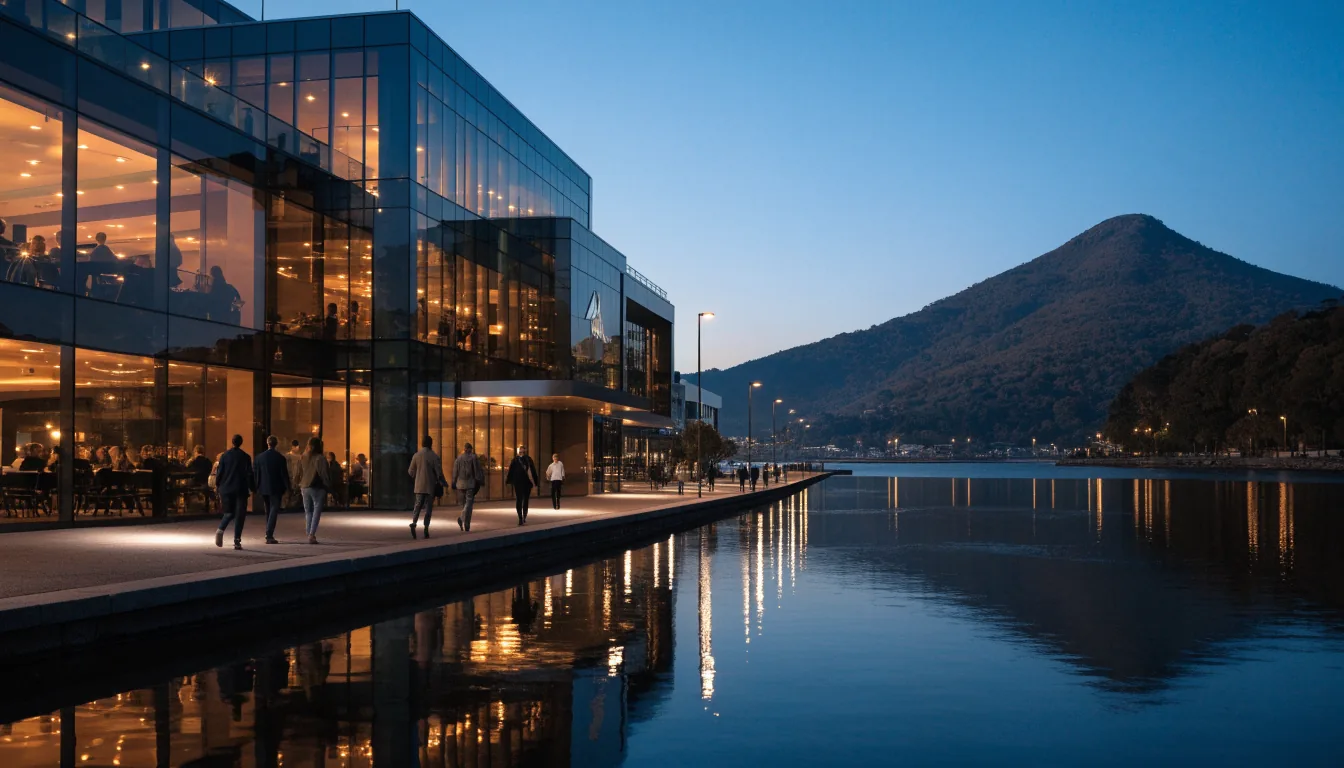
For a planned visit, the useful comparison is not just cuisine. It is whether the menu, setting and booking arrangements match the purpose of the meal. A celebratory dinner, a quick meal before another activity and an unhurried business dinner call for different things. The venue’s own wording can help establish the intended experience, but independent details such as the current menu and reservation information are what make that description concrete.
A rooftop restaurant search needs particular care because “rooftop” can refer to a dining room, an outdoor terrace or a bar-led space with food. The label does not settle what is served or whether dining reservations are taken. I would verify that the current venue description explicitly presents it as a restaurant before treating it as a dining option. Otherwise, the search result may be pointing to a different kind of visit.
In short, casino dining should be judged from current, venue-specific information rather than a broad destination label. That keeps restaurant choices separate from buffet, breakfast or general food listings, which describe different offers. When the details do not line up, the advertisement has not answered the useful question. The menu and booking terms have.
Spa, Address, Bars and Dress-Code Searches
An address is more than a pin on a map. For a casino visit, the useful listing is the venue’s own current location information, checked against the route and entrance being used. A map result can identify a general site while leaving practical details unclear, such as which entrance serves the intended area. I treat the venue’s official directions as the reference point, then check the route separately. Small distinction; less chance of arriving at the wrong door.
Dress Code and Entry
Entry decisions are made at the door based on the venue’s stated standard. Because terms like “smart” or “relaxed” can be vague, it is best to confirm the specific policy through the venue’s own information channels before travelling.
Spa searches need the same care. A phrase such as “casino spa” can point to an amenity people expect, not necessarily one available at a particular venue. Before making plans around a treatment or day-spa visit, the relevant details are whether the facility operates at the site, what services it lists, and whether access or booking conditions apply. The word “luxury” is presentation. Availability is the useful detail.
Bar listings also need to be read as practical information, not as a promise that every bar is open whenever the casino is. Venue pages can distinguish locations, service periods and entry conditions; those details matter more than a broad headline about nightlife. I would check the specific bar listing and its current operating information before building an evening around it. A venue’s overall opening status does not, by itself, settle the hours of every amenity.
Dress-code wording is another place where promotional shorthand can obscure the actual rule. “Smart” or “relaxed” may sound clear, but the enforceable detail is the venue’s stated entry standard and any restrictions on particular clothing. Where a page uses broad language, the practical step is to confirm the policy through the venue’s own information channel before travelling. Entry decisions are made at the door, not by the tone of a search snippet.
A request for casino games can mean different things: Electronic Gaming Machines (EGMs), table games, or simply a general description of what is available at the venue. Those categories should not be treated as interchangeable. A current venue listing is the place to confirm which games are offered and any conditions that apply. This concerns an in-person venue; it is not an endorsement of online casino play.
Careers information belongs to a different kind of visit. A casino careers page should be treated as the source for current vacancies, role descriptions and application steps, rather than assuming that a venue’s general contact details handle recruitment. I keep these checks separate: address for arrival, amenity pages for facilities, and the careers channel for employment. Practical, not glamorous.
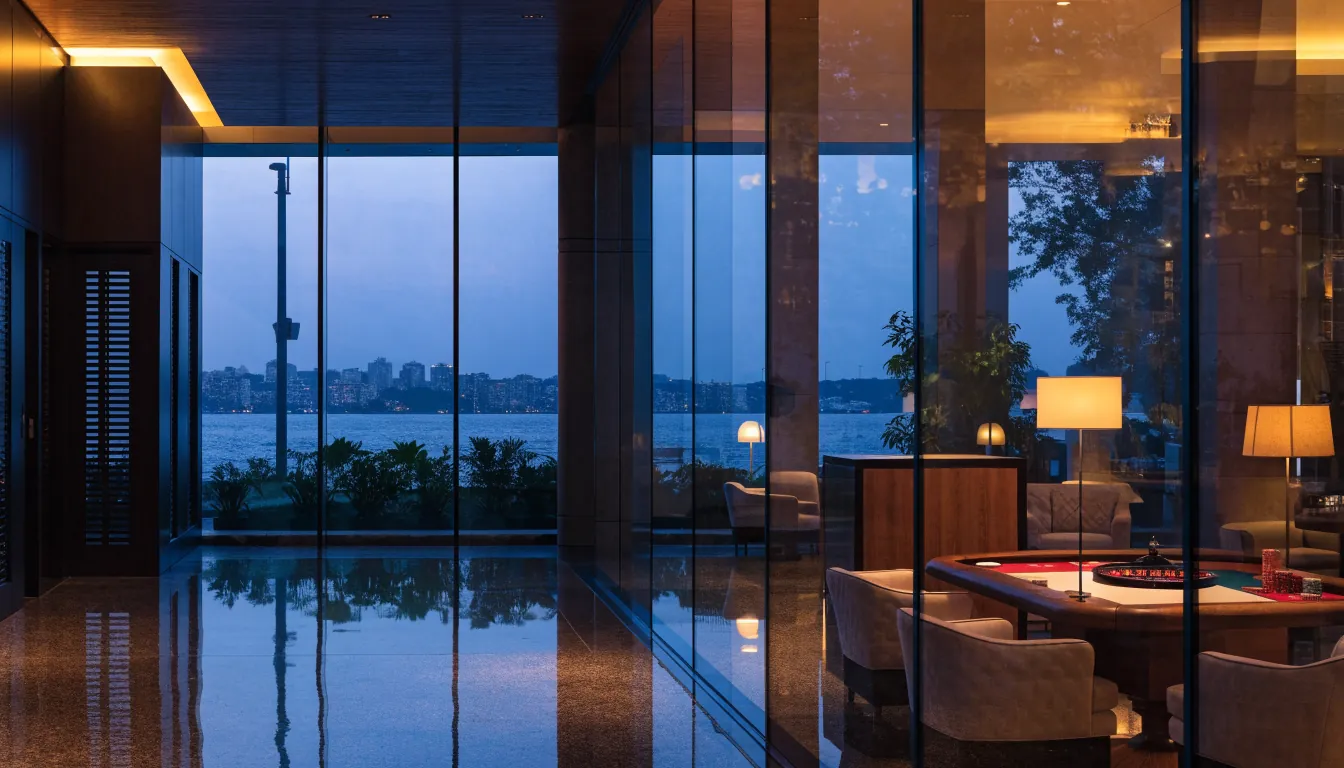
Food-Court and Pool Searches: What Needs Verification
Food at a casino can mean several different things: a restaurant with table service, a counter-service outlet, a café or a shared food-court area. Those labels are not interchangeable. A venue may have dining without operating a food court, and a food-court listing can refer to a separate area or business rather than the casino itself.
I have seen broad food descriptions do a lot of work in promotional copy. “Plenty of choice” sounds expansive, but says little about what is actually on site, which outlets are open or whether they serve visitors at the time of a planned visit. The useful details are concrete: outlet names, service style, location within the complex and current trading information. A general reference to casino food in Western Australia does not establish any of those particulars.
The same care applies to pool facilities. A pool mentioned in a hotel listing may belong to a different property, have access conditions, or be unavailable to people who are not staying there. A photograph or a third-party directory entry is not, by itself, confirmation that a casino visitor can use a pool. The wording matters. “Pool access” may describe an amenity, not an unrestricted invitation.
I treat food-court and pool descriptions as separate claims to verify against current venue information, rather than infer one from another. The venue’s own published details are the sensible starting point; where wording remains broad, a direct enquiry can clarify whether the facility is on site and who may use it. This is especially relevant when a listing combines hotel, retail and casino services under one name.
A little precision prevents a wasted trip. Food service and pool access are distinct facilities, with separate locations, opening arrangements and conditions. Check the exact amenity, not the general impression.
Are online casino-style games restricted in Australia?
Yes. The Interactive Gambling Act restricts Australian-based operators from offering online casino games such as pokies, blackjack and roulette to people in Australia. Offshore casinos are not regulated under Australian law, and operators or software providers may block Australian players or games by location.
What does the legal status of offshore online casinos and NSW gambling law say?
Australian players are not technically prohibited from using offshore casinos, but those platforms are not regulated under Australian law; Australian-based operators cannot offer online casino games to players in Australia. In NSW, the legal age to play poker machines is 18, and mandatory pre-commitment systems require players to set a loss limit before playing.
How do online pokies operate?
An online pokie uses a Random Number Generator, so each spin is independent and previous results do not affect the next one. Its RTP is the theoretical percentage of wagers it pays back over a very large number of spins.
Created by the ”Golden Bet Casino” editorial team.