Best Casino in Canberra: What Can Be Verified
 Available in AU
Hotel listings and search terms alone do not confirm a casino connection, venue facilities or services in Canberra.

Table of Contents
- Canberra Casino Hotel Searches: What Can Be Verified
- Poker Rooms and Tournaments: The Canberra Detail That Is Missing
- Casino, Bars, Parking and Entertainment: Separate Searches, Unverified Venue Details
- Parking Queries and the Legal Difference Between Venue and Online Gambling
- Accommodation Near Canberra Casino: No Verified Property Details
- Breakfast, Buffet and Jobs: Searches the Available Facts Cannot Confirm
- Is a Canberra Casino Open? What the Search Terms Do Not Establish
- Address, Dress Code and Spa Searches: No Confirmed Canberra Venue
- Canberra Casino Restaurants: What Is and Is Not Verified
- Food, Food Courts and Pool Searches Without Venue Evidence
Canberra Casino Hotel Searches: What Can Be Verified
A hotel described as “casino” can mean several different things: accommodation operated by a casino, rooms in the same building as a gaming venue, or an independent hotel promoted as being nearby. Those are not interchangeable. The wording alone does not identify a property or establish a business relationship between a hotel and a casino.
I separate the room offer from the casino claim. A hotel’s own booking page can establish whether it sells rooms, what dates are available and which conditions apply. A casino connection needs its own clear basis: for example, the venue’s official material identifying the hotel as part of its operation. Without that distinction, a search for a casino hotel in Canberra can lead to a listing that merely uses “casino” as a location cue or travel category.
“Hotel deals” needs the same care. A lower displayed rate may depend on dates, room type, cancellation terms, minimum stay or advance payment. A package may bundle accommodation with another service, but that does not make the hotel casino-owned. I would read the inclusions as written rather than treating “deal” as a defined benefit. The fine print does the selling.
Choosing an online casino while in Canberra calls for a careful look at the information available about each operator. This list offers a concise reference to the stated licensing and payment details for 2026.
License: Curacao OGL/2024/1335/0780 · Min. deposit: EUR 20 Vegaz Casino lists a Curaçao licence (OGL/2024/1335/0780) and a minimum deposit of EUR 20.
License: Curacao Gaming Control Board OGL/2023/176/0095 (Hollycorn N.V.) Neospin lists a Curaçao Gaming Control Board licence, OGL/2023/176/0095, held by Hollycorn N.V.
License: Curacao · Min. deposit: A$20 (POLi) Lucky Dreams lists a Curaçao licence and a minimum deposit of A$20 via POLi.
License: Tobique Gaming Commission · Payout speed: crypto ~10-15 minutes, fiat 1-5 days · Min. deposit: A$30 SkyCrown lists a Tobique Gaming Commission licence and a minimum deposit of A$30. Its stated payout times are around 10–15 minutes for crypto and 1–5 days for fiat.
License: Curacao Gaming Control Board OGL/2023/174/0082 (Dama N.V.) SpinsUp lists a Curaçao Gaming Control Board licence, OGL/2023/174/0082, held by Dama N.V.
License: Curacao · Payout speed: crypto 30-60 minutes, fiat 1-5 days · Min. deposit: A$10 Wild Tokyo lists a Curaçao licence and a minimum deposit of A$10. Its stated payout times are 30–60 minutes for crypto and 1–5 days for fiat.
Payout speed: crypto ~90 minutes, fiat 1-5 days · Min. deposit: A$30 Kingmaker lists a minimum deposit of A$30. Its stated payout times are around 90 minutes for crypto and 1–5 days for fiat.
License: Curacao Gaming Authority (Jumpman Gaming Ltd) DragonSlots Casino lists a Curaçao Gaming Authority licence associated with Jumpman Gaming Ltd.
License: Curacao Gaming Control Board JustCasino lists a Curaçao Gaming Control Board licence.
License: Curacao Gaming Control Board OGL/2023/176/0095 (Hollycorn N.V.) GoldenCrown lists a Curaçao Gaming Control Board licence, OGL/2023/176/0095, held by Hollycorn N.V.
Room descriptions also matter more than a broad label. A booking page should state what is included in the room rate and whether taxes, meals or other charges are separate. Availability and price are tied to the selected dates; a general hotel page cannot establish that a particular room is available for a particular stay. If a listing uses casino branding, the property name and booking terms should still be visible and consistent across the hotel’s own channels.
The distinction between “at a casino” and “near a casino” is especially important. The first suggests a direct connection or shared site; the second is a proximity claim. A map pin, travel description or third-party listing may help explain location, but it does not establish that a casino operates there. Nor does a hotel appearing in a group of results prove that it has casino rooms or a casino-specific offer.
Opening hours are another separate detail. A hotel reception desk, a hotel’s booking service and a gaming venue can have different operating arrangements. A general hotel listing cannot be used to infer casino hours, and a casino-hours label does not confirm that hotel rooms are available. Hours should be attached to a named business and checked against its own current information before being treated as settled.
I have seen how promotional language compresses these distinctions: “casino hotel” sounds like one straightforward product, but it can combine a room, a location description and an implied affiliation. Those elements should be checked separately. A recognizable property name is not enough if the offer does not identify who provides the room and what the booking covers.

For Canberra, the careful reading is simple: a hotel room, a hotel deal, a nearby hotel and a casino-operated hotel are four different propositions. A listing supports only the details it actually states. No more than that.
Poker Rooms and Tournaments: The Canberra Detail That Is Missing
A Canberra casino poker room is not a confirmed local venue detail. The same applies to a regular tournament schedule: a phrase describing a room or event does not establish that either exists. Without a named venue and independently checkable event information, there is no sound basis for treating poker tables, tournament dates or entry arrangements as available in Canberra.
I keep the distinction between a poker room and a poker event clear. A room implies a place with tables and operating arrangements; a tournament adds a format, dates, registration and rules. One does not prove the other. A venue might offer poker without running tournaments, while an advertised event could be temporary or hosted somewhere other than a casino. The label alone settles none of that.
The practical detail matters. A usable tournament notice would identify the organiser and venue, explain how registration works and state when play is scheduled. It would also make clear whether the event is a live tournament or an online offering. Those are not minor distinctions: they tell a player what kind of activity is being described and whether it is actually local. Until those particulars can be checked, claims about buy-ins, prize pools, formats or recurring events would be guesswork.
Legal Restriction
Under the Interactive Gambling Act 2001, online poker provided as a real-money service to people in Australia is among the prohibited interactive gambling services.
Online poker is not a substitute for a Canberra poker room. Under the Interactive Gambling Act 2001, online poker provided as a real-money service to people in Australia is among the prohibited interactive gambling services. That restriction concerns operators providing the service; it does not turn an online poker lobby into evidence of a local, in-person venue. Different setting, different question.
The word “rooms” can also mislead. In this context it may mean a dedicated poker area, but it can be confused with accommodation or other spaces within a venue. A room count, a hotel listing or a general casino reference does not establish a poker facility. I would look for explicit wording that names poker as an activity at a specific location, rather than infer it from a broad venue description. No inference by association.
Tournament language deserves the same care. “Series” and “schedule” sound settled, but they should be tied to dated notices from an identifiable organiser. A single old listing would not establish that an event continues; a general page about poker would not establish that a Canberra tournament is being held. If dates, venue and registration details cannot be matched, the responsible description is that the event is unconfirmed—not that it is upcoming.
There is also a difference between poker and poker machines. Australian usage often calls the latter pokies or Electronic Gaming Machines (EGMs). A venue reference to gaming machines says nothing about poker tables or tournament play. Club Liverpool’s position among NSW clubs with operational poker machines, for instance, is a fact about machines at a club in New South Wales; it cannot be transferred into a claim about poker facilities in Canberra. Separate products. Separate evidence.

Broad requests about whether a casino is open, or whether it has a sports bar, do not answer the poker question either. Opening information only becomes useful once a particular venue is established, and a bar listing does not verify a poker room. The details should not be stitched together into a facility that has not been confirmed.
That leaves no reliable basis for naming tables, schedules or entry terms. Better to leave those claims out than turn an expectation into an itinerary.
Casino, Bars, Parking and Entertainment: Separate Searches, Unverified Venue Details
A search for a casino in Canberra can quickly branch into practical questions: whether there is a bar, where to park, whether concerts are held there, and how to find a map or contact number. Those details matter only once a venue has been identified. A cluster of searches does not establish that a Canberra casino exists, or that any particular business offers those facilities.
I have seen how venue language can blur the line between a listing and an advertisement. “Casino bar” sounds like a confirmed destination; in practice, the phrase may be no more than a label attached to an unverified result. The same applies to a car park, concert calendar, map, or phone number. Without a named venue and reliable details tied to it, none should be treated as a usable arrival plan. No confirmed detail. No safe assumption.
A search result for a “casino bar,” car park, or concert calendar does not prove a venue exists; it may be a label attached to an unverified result.
The gaming terms create a similar problem. Baccarat and craps are recognisable casino table games, but their appearance alongside Canberra does not prove that either is offered at a local venue. Nor does it establish opening arrangements, table availability, or any other facility. A search result can reflect what someone hopes to find, not what is operating.
A venue search is not an online casino search
The distinction matters because “casino” can refer to a physical place or to online gambling. They are not interchangeable. Under the Interactive Gambling Act 2001, operators based in Australia cannot provide real-money online casino games—including slots, poker and table games—to people physically in Australia. Sports betting is treated differently, but that does not turn an online casino service into a lawful Australian offering.
Offshore platforms are not regulated under Australian law, and access may be restricted. A VPN can make a connection appear to come from another country, but using one to access region-blocked pokies sites breaches the site’s terms and may result in account suspension. It does not change where the player is physically located or make a prohibited service lawful.
That legal context should not be confused with local venue information. A result about online games cannot confirm a Canberra bar, parking area or entertainment programme; a venue-style listing cannot establish that online gambling is permitted. Different questions, different evidence.
What to confirm before making plans
For any physical venue, reliable details should connect the business name to its own current contact channel and visitor information. A map pin alone may be misplaced, outdated or associated with a different business. A phone number copied across directory pages may also lack a clear link to the venue. The useful test is whether the venue itself confirms the address, access arrangements, parking and any event listing.

That is especially important when a concert or night out is the reason for travelling. An event title, image or old listing does not establish that a performance is scheduled or that the venue is operating as described. The same caution applies to a bar listing: it is not confirmation of current service, entry conditions or hours.
For now, the Canberra-specific searches for baccarat, craps, a casino bar, parking, concerts, a map and contact details do not amount to verified venue information. Keeping the categories separate avoids a costly mistake: a search term can point toward a question, but it cannot answer it.
Parking Queries and the Legal Difference Between Venue and Online Gambling
Parking and online access belong to different kinds of casino search. A request for parking, valet service or a free space concerns a physical destination and its arrangements. “Canberra casino online” points instead to a digital service. The shared word does not make those questions interchangeable.
I learned to treat words such as “free” and “valet” as specific service claims, not decorative details. Free parking depends on the terms attached to a particular site; valet parking depends on an actual service being offered there. Neither can be inferred from the presence of dining or bingo in a search phrase, and neither says anything about whether online gambling is lawful. A practical decision needs a venue and its own current parking conditions. Search wording alone supplies neither.
- Assess parking against the named site and its stated conditions
- Check online casino access against the Interactive Gambling Act
- Treat a parking label as a substitute for venue terms
- View an offshore platform as a lawful local alternative
The online question has a separate legal answer. Under the Interactive Gambling Act 2001, an operator based in Australia cannot offer real-money online casino games to people in Australia. The restriction covers casino-style games such as pokies, blackjack and roulette. Calling a service an online casino, or accessing it from Canberra, does not change the rule for Australian-based operators.
Offshore platforms sit in a different position, but not a reassuring one. It is technically not illegal for an Australian player to use one; those platforms are not regulated under Australian law. That distinction is often compressed into the word “legal”, which can leave out the material point: the operator is outside the local regulatory framework. There is no Australian casino licence implied by an offshore platform’s availability, and the Australian operator restriction does not disappear because a service is reachable online.
That is where the two searches can become confused. A physical venue’s parking arrangements are about arrival, access and the conditions at that site. An online platform is not a remote version of a Canberra building, and a result for online play cannot establish that a local venue exists or operates. Nor does a venue-related phrase establish anything about an online service. Different questions. Different rules.
In the trade, “available” can sound more settled than it is. A page loading on a phone is not evidence that an online casino is authorised to serve Australians. Equally, a parking label in a listing is not a reliable substitute for the venue’s own current terms. The wording may look simple; the underlying checks are not.

For anyone comparing these topics, the useful distinction is between a physical property claim and a gambling-service claim. Parking should be assessed against the named site and its stated conditions. Online casino access should be assessed against the Interactive Gambling Act and the operator’s location, not treated as a lawful local alternative. A Canberra search term does not turn an offshore operator into an Australian-regulated one.
No shortcut.
Accommodation Near Canberra Casino: No Verified Property Details
“Near” sounds precise in a booking filter, but it has no fixed meaning on its own. A place can be described as near a casino because of a short drive, a public-transport connection or simply its position in the same part of a city. Without a confirmed venue address and a named accommodation property, the phrase cannot establish walking distance, travel time or convenience.
That distinction matters when comparing places to stay. Accommodation listings describe the property; casino references describe a destination. One does not verify the other. A hotel, apartment or guesthouse may be available in Canberra, but its existence does not demonstrate a connection to a casino or support a claim that it is close to one.
I have seen this wording do quiet work in travel promotions. “Stay near” can imply an easy visit without saying how the journey works. The useful details are concrete: the accommodation’s street address, the destination address, the route between them and the transport options. A broad location label is not a substitute. A short drive on a map may also mean something different from an easy walk, especially when the route, crossings and access points are not stated.
Attention: A discount on a hotel stay does not automatically mean casino entry or entertainment is included unless explicitly stated in the booking conditions.
The same caution applies to claims about casino accommodation deals. A room rate and a casino promotion are separate offers unless the terms explicitly connect them. A discount on a stay does not, by itself, show that casino entry, entertainment or any other venue benefit is included. Promotional language can blur that boundary; the booking conditions are where the actual inclusions should be spelled out.
For a practical comparison, the accommodation listing should identify the property and state what the quoted rate covers. Any claimed casino connection should name the venue and explain the arrangement rather than relying on a vague location phrase. If the casino’s location has not been established, a distance claim cannot be checked. If the offer does not set out its conditions, the word “deal” says little about its value.
Opening hours can also affect whether a stay suits a planned visit, but a booking page cannot establish a venue’s trading schedule. Likewise, parking availability at an accommodation property is not evidence of parking at a separate destination. These are different arrangements, often managed by different businesses. Treating them as one package without clear terms risks planning around an assumption.
From the operational side, the wording that matters is the wording that can be acted on: a property name, an address, a route and written booking conditions. Without those, “accommodation near a casino” remains a broad description rather than a dependable travel recommendation. No implied connection.
Breakfast, Buffet and Jobs: Searches the Available Facts Cannot Confirm
Breakfast and buffet wording can make a casino search sound like a confirmed dining offer. It is not. A phrase such as “casino buffet breakfast in Canberra” does not establish that a Canberra casino operates, serves food, or opens a buffet at breakfast time. The same applies to “resort”: it may describe the kind of property someone has in mind, but it does not identify a Canberra casino resort.
I have seen how hospitality language works from the other side of the counter. “Breakfast included” is a specific package condition, not a general promise that food is available. A buffet is a particular service format, not a synonym for a restaurant. Even where a venue exists, the details that matter—service days, booking rules, included items and whether a meal is tied to a room or membership—need to come from that venue’s own current information. Without a named property, there is nothing reliable to attach those conditions to.
“Resort” carries its own implication: a single destination combining accommodation and leisure facilities. The word in a listing or search phrase does not prove that a property has those features. Treating it as a confirmed Canberra offering would turn a description into an unsupported claim.
Rewards are terms, not a free-standing benefit
A casino rewards scheme, if one is offered, is governed by its written rules. The label alone says little about how points are earned, what they can be used for, whether they expire, or whether membership is available to the public. Those conditions should be checked against the operator’s own current material, not inferred from the word “rewards.” No scheme can be attributed to a Canberra casino on the basis of that label alone.
The distinction matters because loyalty language is designed to sound simple. “Exclusive” may mean access subject to eligibility; “reward” may come with restrictions. The wording is the sales surface. The terms do the work.
Casino Rewards Schemes
A rewards scheme is governed by written rules. The label alone does not confirm how points are earned, their use, expiry, or public membership availability.
What job searches can and cannot show
Searches for casino jobs in Canberra suggest interest in employment connected with a casino, but they do not establish that a local venue is recruiting—or that such a venue exists. A genuine vacancy should identify the employing organisation, role, location, duties and application route. A generic job title or reposted listing is not enough to establish who the employer is.
In casino operations, job titles can also conceal very different responsibilities: hospitality, security, administration and gaming-floor work are not interchangeable. Any role involving gambling services sits within a regulated environment, and an advertisement should be assessed as an employment offer, not as proof of a venue’s status. The name on the contract matters.
The same care applies to promotional claims about a “casino resort” or a combined breakfast-and-buffet package. A polished description can create an impression of a complete destination before the underlying business details have been established. For Canberra, these terms alone do not confirm a breakfast service, buffet, resort, rewards programme or current casino vacancy. A search phrase is not an operating record.
Is a Canberra Casino Open? What the Search Terms Do Not Establish
A request for a Canberra casino’s opening status is not evidence that a venue is operating, closed or preparing to reopen. In my experience, those are separate claims, and each needs its own support. A current address, an operating business record and a recent notice from the venue would be more useful than a page title repeating the word “open”. Without that kind of confirmation, a confident status label is just a label.
The same distinction applies to development. A proposal, a planning discussion and a completed casino are not interchangeable stages. An announcement about a possible project does not establish that construction has begun, that approval has been granted or that a public opening is scheduled. Promotional language can make an early-stage idea sound settled. It is not settled.

Reopening claims need particular care. A past closure does not prove a later reopening, and an old article can remain visible after circumstances change. Dates matter; so does who issued the update. I would treat an undated listing or a copied notice as a lead to check, not as confirmation of present operations. Small distinction. Important one.
Employment notices can be similarly ambiguous. A vacancy mentioning casino work may relate to another city, a proposed development, a supplier or a role that has already closed. The location and employer should be clear before the notice is taken as evidence of a Canberra venue. A job title alone establishes very little.
Events require the same discipline. A ticket page or calendar entry should identify the organiser, venue and event date. Entertainment language does not, by itself, show that a casino is hosting anything. Nor does a menu page prove that a casino restaurant is open: menus can be copied, left online after a change, or associated with a different business. Those details belong to separate checks.

A review is not a status report. It may describe an earlier visit, repeat promotional wording or refer to a venue outside Canberra. The practical test is whether it gives a clear location and a date, and whether its claims can be matched to current information from the business itself. Without that, “review” says more about the page format than the place.
There is also a legal distinction between a physical venue and online gambling. Under the Interactive Gambling Act 2001, operators based in Australia cannot provide real-money online casino games to people in Australia. A web page offering casino-style games is not proof of a local Canberra casino, and it should not be treated as a lawful Australian online casino service.
So the answer to whether a Canberra casino is open cannot be read out of a development headline, job notice, events calendar or review. Each describes a different thing; none alone settles current operating status. Verify the specific venue and the date of the information. No shortcut.
Address, Dress Code and Spa Searches: No Confirmed Canberra Venue
That distinction matters before arranging transport or building an itinerary around a supposed location. A business name, map pin or directory entry is not, by itself, proof that a casino operates there.
Dress-code searches raise the same practical issue. Without an identified venue, there is no confirmed local policy to rely on. Casino rules can be set by the individual operator and may differ between spaces or occasions; a general assumption about formal clothing, casual wear or entry conditions is not a substitute for the venue’s own current information. I have seen how small wording choices can shape expectations at the door. “Smart casual” sounds clear until staff have to decide what it means in practice.
A day spa or spa attached to a casino is also a separate claim, not something established by the word “casino” in a listing. A spa name, treatment menu, opening schedule or booking link should be checked against an identifiable business before it becomes part of a Canberra plan. Otherwise, the amenity exists only as an expectation.
The same care applies to references to games. Physical casino gaming and online gambling are not interchangeable. Under the Interactive Gambling Act 2001, operators cannot provide real-money online casino games—including pokies and table games—to people in Australia. A page advertising online casino-style play is not evidence of a local venue, and offshore platforms are not regulated under Australian law. Sports betting is a different category; its availability does not establish that online casino games are lawful for operators to offer.
I would read practical details in order: first establish the venue’s identity, then verify its address through an official business channel, and only then check entry requirements or amenities. If those basics do not line up, polished photographs and confident wording do not fix the gap. They may describe another property, an outdated listing or a business using similar language.
For anyone planning around a real destination, the useful details are concrete: a recognised operator, a current address and policies published for that specific site. Without those, there is no sound basis for directions, dress expectations or spa bookings in Canberra. Better to leave the itinerary open than arrive at a pin that leads nowhere.

Canberra Casino Restaurants: What Is and Is Not Verified
A restaurant listing is useful only when it can be tied to an identifiable venue. The phrase “Canberra casino restaurant” does not do that on its own. It expresses an expectation: a casino in Canberra, with dining inside it. It is not evidence that such a casino operates, or that it has restaurants.
I have learned to separate a venue name from the services attached to it. A polished restaurant description can sound definite while leaving basic questions unanswered: which property it belongs to, whether it is open to the public, and whether the stated dining arrangements are current. Without an identifiable Canberra casino and dependable details for a restaurant linked to it, names, menus, booking arrangements and opening times would be guesswork.
That distinction matters for searches about restaurants at a casino as well as those described as in one. Both imply a physical relationship between a restaurant and a venue. Neither phrase verifies that relationship. Nor does repeating a venue label in a directory or promotional description settle the question; the underlying business needs to be identifiable.

“Near” is a separate claim. It depends on a confirmed casino location and a real restaurant location. Without those points, there is no sound basis for describing a restaurant as nearby or estimating how far away it is. A familiar city name beside a venue category is not a map.
A rooftop bar is different again. It may serve food, but the word “bar” does not establish a restaurant, and the word “rooftop” does not establish a building or an operating venue. I would not use a bar description to fill the gap in restaurant information. Different facilities need their own evidence.
The practical reading is restrained: Canberra casino restaurant wording identifies the kind of dining arrangement someone hopes to find, not a confirmed restaurant offering. No restaurant name, cuisine, menu or service schedule can responsibly be attached to that expectation here. That is not a judgement about the quality of a meal. It is a limit on what can be stated.
For dining decisions, the useful details are concrete and connected: a named business, its address, and current information published by that business or its operator. Until those details can be linked to a casino in Canberra, a restaurant recommendation would risk turning an assumption into a fact. Better to leave the table unset.
Food, Food Courts and Pool Searches Without Venue Evidence
Food-court wording suggests a different arrangement from a standalone dining venue: several food counters sharing a common seating area. A pool is a separate leisure amenity, not something that follows from the word “casino”. Neither description establishes that these facilities belong to a casino in Canberra.
I have seen venue language do a lot of work. “Resort” can make a property sound like a complete leisure destination; “food court” can suggest choice and informal dining. Those labels only help when they describe facilities attached to a confirmed venue. Without that link, they are not a reliable basis for planning a meal or expecting pool access.
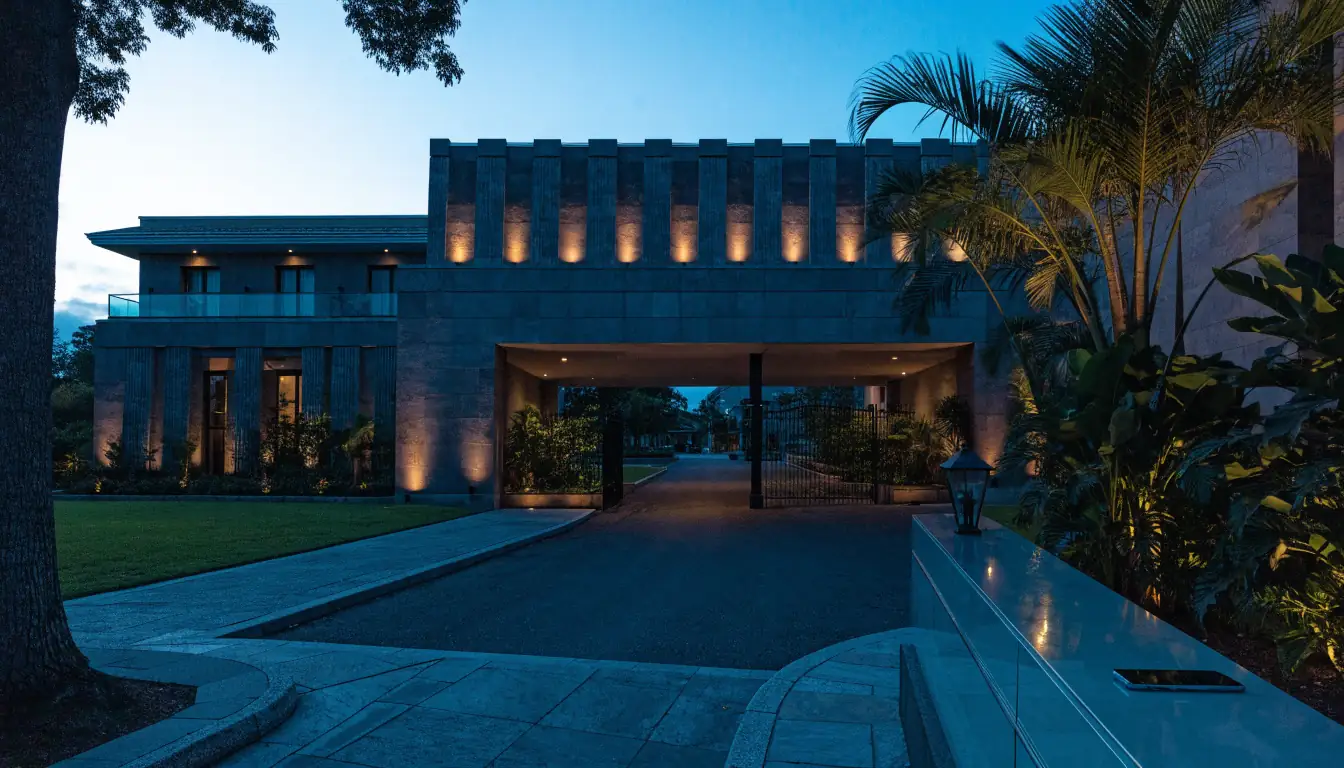
The practical distinction is simple. Food near a casino, food inside a casino building, and a casino-operated food court are not interchangeable claims. The same applies to a public pool nearby versus a pool offered as part of a casino stay or visit. Location and ownership matter.
A Canberra casino should not be described as having a food court or pool unless those amenities are confirmed for a specific operating venue. Broad references to casino food or a casino pool do not settle that point. No established facility. No assumed access.
That standard also keeps online gambling separate from physical amenities. Australia’s Interactive Gambling Act 2001 prohibits operators from providing real-money online casino games, including slots and table games, to people in Australia. A website offering casino-style games is not evidence of a Canberra venue, a dining area or a swimming pool.
For a meal or swim, the useful details are attached to a named place: its own facility information, access conditions and current operating arrangements. Without that, a food-court label or pool reference remains an expectation, not a dependable feature of a Canberra casino.
What does the legal status of offshore online casinos and NSW gambling law say?
Australian-run online casinos cannot offer online casino games such as pokies, blackjack and roulette to people in Australia. Using an offshore casino is technically not illegal for Australian players, but those platforms are not regulated under Australian law; in NSW, poker-machine gambling is restricted to adults aged 18 and over, with mandatory pre-commitment loss limits.
Which pokies are geo-blocked from Australia?
Examples include NetEnt progressive jackpot games Mega Fortune and Hall of Gods, and NYX Gaming/Next Gen games Foxin’ Wins and Doctor Love. Geo-blocked games may be hidden from the lobby or fail to load when accessed from an Australian IP address.
How do online pokies operate?
Each spin is determined by a Random Number Generator (RNG), and spins are independent, so previous results do not affect future ones. RTP is the theoretical share of wagers a game returns over a very large number of spins.
Published by the Golden Bet Casino team.