Best pokies in Melbourne: location and venue checks
 Available in AU
Location labels, opening-hour claims and venue details do not all provide the same level of certainty.
Table of Contents
- Pokies Near Melbourne Airport and Other Arrival Points
- What “Open Now” Can—and Cannot—Tell You
- What “Best” Means When Pokies’ Returns Can Vary
- Melbourne Gaming Venues and Their Responsible-Gambling Duties
- Crown Melbourne: What Can Be Confirmed Here
- Online Pokies, Cashless Payments and the Australian Legal Position
- Pokies Opening Hours: What Is—and Is Not—Verified
- East, South-East and Western Melbourne Searches
- Pokies Searches in Melbourne’s CBD and Clubs
- North and South Melbourne: Location Searches Without Verified Venue Listings
Pokies Near Melbourne Airport and Other Arrival Points
A request for pokies near Melbourne Airport is first a question about geography, not a reliable description of what is inside the airport. “Near” can mean a venue in the immediate arrival area, somewhere reached after leaving the airport precinct, or a place in Melbourne that seems practical for the next part of a journey. Those are different searches, even when they use the same words.
I have found that location labels can sound more precise than the decision they support. A result associated with the airport may refer to an area rather than a particular terminal or building. The label alone does not establish that pokies are on the premises, or that a venue is as close as the wording suggests. “At the airport” and “near the airport” should not be treated as interchangeable.
The same distinction matters when Melbourne Central is the reference point. The name identifies a recognisable central-city location, but a search for pokies nearby does not, by itself, settle whether a result is inside the complex, in its immediate surroundings or elsewhere in the city centre. A map pin can narrow a location; it cannot explain what is available within a venue. That difference is easy to miss when comparing results quickly.
For someone arriving in Melbourne, the useful first step is to decide what “near” means in practical terms. Is the point of reference the arrival building, a meeting place, a hotel or the next destination? The answer changes which locations make sense to consider. A result that appears close to one reference point may be awkward for another. No universal radius captures that trade-off.
Port Melbourne introduces a different kind of location question. It is not simply another label for the airport or Melbourne Central, and a result associated with Port Melbourne should be assessed as a Port Melbourne location. A broad city-wide search can place distinct areas side by side on a screen, making them look like easy alternatives. That presentation does not make their positions or travel arrangements equivalent.
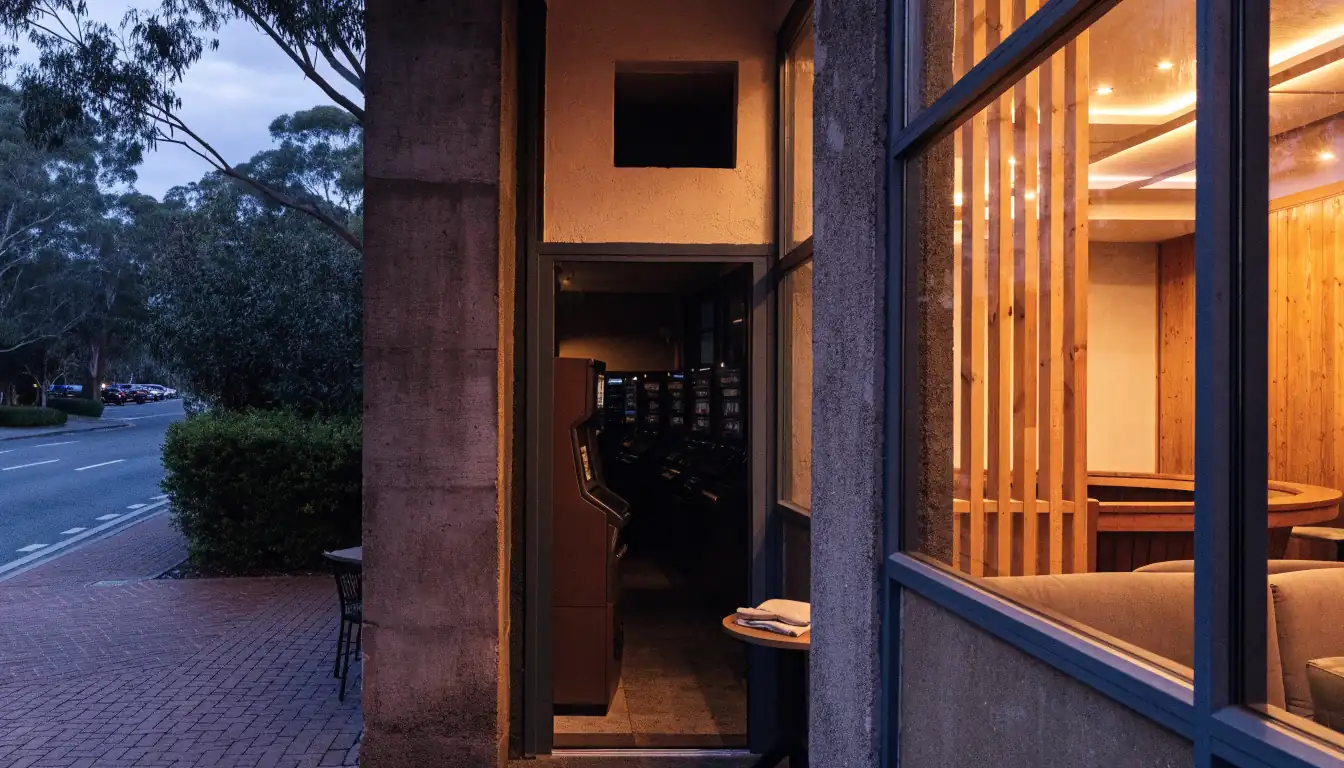
This is why searches around arrival points often benefit from being separated rather than combined. “Pokies near Melbourne Airport” asks about one anchor; a search near Melbourne Central asks about another; Port Melbourne calls for its own geographical frame. Combining them into one broad search may produce a longer set of possibilities, but it can also blur the difference between a place that suits the journey and one that merely appears in the same results.
The phrase “pokies in Melbourne Airport” is more specific than “near Melbourne Airport,” but specificity in wording is not proof of a machine location. A result may reflect how a place is described, not what is physically inside it. I would read the distinction literally: “in” means on the premises; “near” allows for a wider area. If the result does not make that distinction clear, its location wording should not carry more weight than it can support.
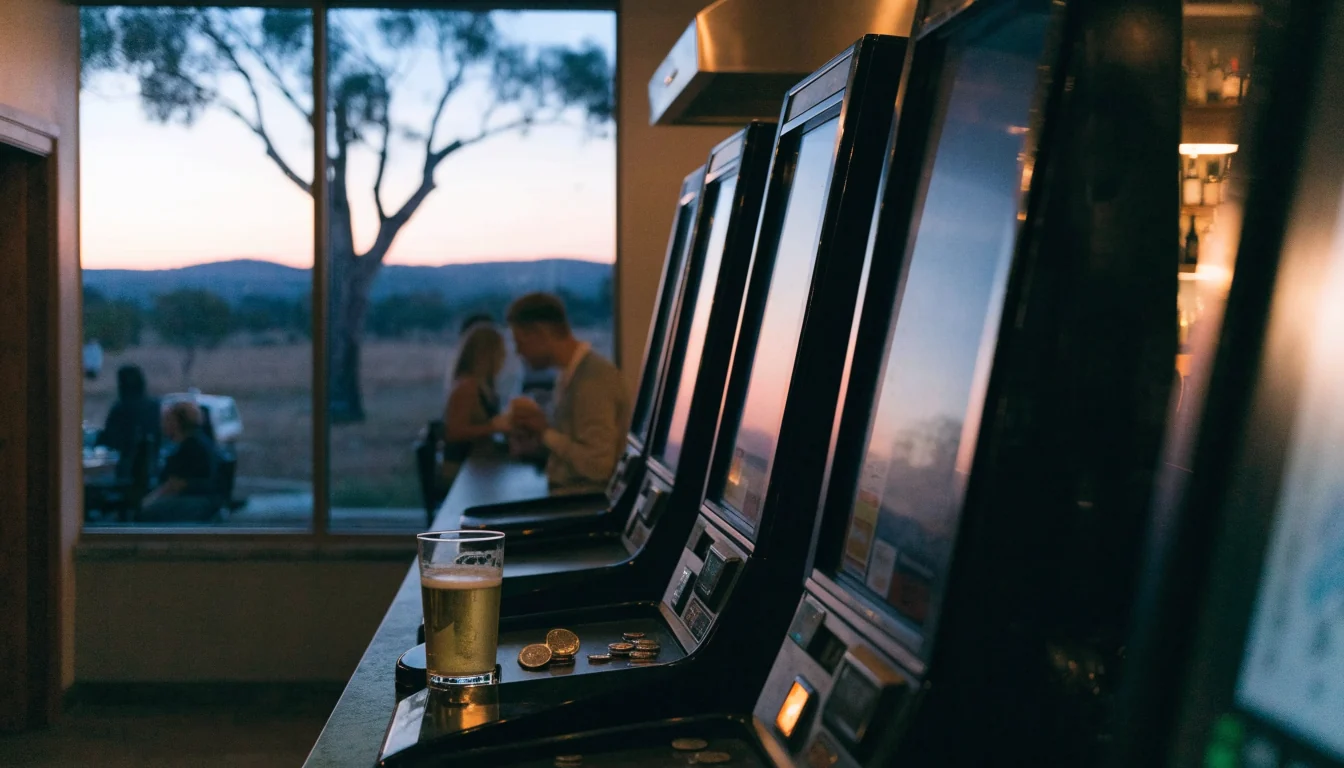
There is a practical reason to be careful with these descriptions. People often make the first decision from a short label, then discover that the label answered only part of the question. Location, venue identity and the presence of pokies are separate pieces of information. One does not automatically confirm the others. A polished listing can still leave those distinctions unresolved.
For searches around Melbourne Central, it also helps to keep the named reference point in view rather than treating “near the CBD” as identical. The central business district covers more than one point of interest; Melbourne Central is a specific landmark within that broader area. A result that describes itself as central may be relevant to the city centre without being close to the particular place intended. Small wording differences can change the journey.
The same discipline applies to “near me” results. The phrase depends on the location being used to generate them, while an arrival search may be anchored to a place that is not the person’s current position. Those two approaches can surface different areas. Neither label is a substitute for checking the venue’s actual address and what the listing says it offers.
- Treat airport, Melbourne Central, and Port Melbourne as separate searches
- Check the venue’s actual address and specific offerings
- Read “in the airport” as being on the premises
- Use “near the airport” and “at the airport” interchangeably
- Assume a map pin explains what is available within a venue
- Combine distinct arrival points into one broad search
In short, airport, Melbourne Central and Port Melbourne searches are best read as separate location questions. The wording can point toward an area, but it cannot make different areas interchangeable or establish that pokies are inside a named arrival point. The map is a starting point. Not a confirmation.
What “Open Now” Can—and Cannot—Tell You
An “open now” label answers a narrow question: whether a listing describes a venue as open at the time it is viewed. It does not, by itself, confirm that pokies are operating, that a particular gaming area is accessible, or that a machine is available. Those are separate details, and a general status label can blur them together.
That distinction matters in Melbourne, where a venue may have several functions under one roof. A listing might describe the premises as open without specifying which facilities are running. The word “open” can therefore be accurate in one sense and still fail to answer the practical question about gaming machines.
I have seen how easily a broad label gets treated as a promise. It is not one.
A venue’s status is not a machine status
Search results and map listings can be useful for identifying places to investigate, but their wording often compresses different operating details into a single line. “Open” may refer to the venue overall. It need not mean that its gaming area is admitting patrons or that pokies are switched on at that moment.
The reverse can also be difficult to interpret: a listing that does not show a venue as open is not a reliable explanation of what is happening inside. The status may be stale, incomplete or attached to a general venue profile rather than a specific facility. Without a current, venue-specific confirmation, the label should be treated as a starting point, not a live operational report.

This is especially relevant when the intended visit is early or late. A broad result may appear to cover those periods without saying whether the machines themselves are available then. The search phrase can be precise; the information returned may not be.
Why “open now” can be misleading
Live-status tools depend on information being entered and maintained. A status can change, and a listing may not make clear when it was last checked or exactly what its label covers. Even a result that looks current can describe the premises rather than the gaming operation.
There is also a difference between a venue’s advertised opening information and the conditions on the day. A page can remain visible after details change, while a map result can reduce a more complicated arrangement to a simple status. Neither format necessarily explains access arrangements or machine availability.
That is not proof that a listing is wrong. It is a limit on what can reasonably be inferred from it. The label says less than it appears to say.
What a useful confirmation would establish
For a visit specifically intended for pokies, the relevant confirmation needs to be about the gaming facilities, not merely the building. A venue’s own current information is more useful when it clearly identifies the area and the conditions being described. If the wording only says that the venue is open, it leaves the central point unresolved.
This is where the phrase “open now” can mislead without being false. It may report one fact while leaving another unstated. In practical terms, a result can help establish that a venue may be operating, but it cannot stand in for confirmation that pokies are available.
Attention: An “open now” label only indicates the venue’s general status and does not confirm that gaming machines are operating or accessible.
The same caution applies to terms such as “open early” or “open late”. They signal a time-related intention, not necessarily a verified schedule for gaming machines. A result that seems to match an early-morning or late-night plan should not be read as a guarantee about the machines.
Status is not a payout clue
A live opening label says nothing about a pokie’s payout percentage. Operating status and return settings are different questions. A venue appearing open does not establish the return of any machine inside it, and a result that mentions pokies does not supply evidence about how a particular game is configured.
That separation is easy to lose when several details appear together in a listing. They should be read as separate claims: whether the venue is open, whether pokies are operating, and what is known about a game’s return. One does not prove the others.
For Melbourne searches, “open now” is best understood as a rough status indicator. It can narrow down where to check, but it cannot confirm machine availability or tell anything dependable about returns. A useful distinction.
What “Best” Means When Pokies’ Returns Can Vary
Choosing an online pokies option for Melbourne calls for a clear look at the details available for each operator. This list highlights those stated details so you can assess what may matter to you.
License: Curacao OGL/2024/1335/0780 · Min. deposit: EUR 20 Vegaz Casino lists a Curacao OGL licence, number OGL/2024/1335/0780, and a minimum deposit of EUR 20.
License: Curacao Gaming Control Board OGL/2023/176/0095 (Hollycorn N.V.) Neospin lists a Curacao Gaming Control Board licence, number OGL/2023/176/0095, held by Hollycorn N.V.
License: Curacao · Min. deposit: A$20 (POLi) Lucky Dreams lists a Curacao licence and a minimum deposit of A$20 using POLi.
License: Tobique Gaming Commission · Payout speed: crypto ~10-15 minutes, fiat 1-5 days · Min. deposit: A$30 SkyCrown lists a Tobique Gaming Commission licence and a minimum deposit of A$30. Its stated payout times are around 10–15 minutes for crypto and 1–5 days for fiat.
License: Curacao Gaming Control Board OGL/2023/174/0082 (Dama N.V.) SpinsUp lists a Curacao Gaming Control Board licence, number OGL/2023/174/0082, held by Dama N.V.
License: Curacao · Payout speed: crypto 30-60 minutes, fiat 1-5 days · Min. deposit: A$10 Wild Tokyo lists a Curacao licence and a minimum deposit of A$10. Its stated payout times are 30–60 minutes for crypto and 1–5 days for fiat.
Payout speed: crypto ~90 minutes, fiat 1-5 days · Min. deposit: A$30 Kingmaker lists a minimum deposit of A$30. Its stated payout times are around 90 minutes for crypto and 1–5 days for fiat.
License: Curacao Gaming Authority (Jumpman Gaming Ltd) DragonSlots Casino lists a Curacao Gaming Authority licence, with Jumpman Gaming Ltd named.
License: Curacao Gaming Control Board JustCasino lists a Curacao Gaming Control Board licence.
License: Curacao Gaming Control Board OGL/2023/176/0095 (Hollycorn N.V.) GoldenCrown lists a Curacao Gaming Control Board licence, number OGL/2023/176/0095, held by Hollycorn N.V.
“Best” sounds like a settled ranking. In practice, a return figure attached to a pokie cannot, by itself, establish which game is best in Melbourne, whether in the CBD or elsewhere. The figure may not describe every installation of that game, and it does not predict what will happen in an individual session.
A specialist game review reports that some providers let casinos choose between multiple return-to-player (RTP) settings for the same pokie. Where that arrangement applies, the game’s title alone does not tell the whole story: the version in one casino may be configured differently from the version elsewhere. A published percentage needs to be tied to the specific game setting and venue before it can support a comparison. Without that connection, a list built from isolated figures can look precise while comparing unlike things.
That is the part promotional language tends to compress. “High return” may sound like a property permanently attached to a game, when the selected setting can matter. A title familiar from Melbourne casino floors does not automatically carry one universal return across every location. Nor does the label say what a particular player will receive from a particular sequence of spins.
I have seen how a clean number can do too much work in a sales pitch. It gives a ranking the appearance of certainty. The qualification is less marketable: the stated setting must match the actual installation. A game name without that detail is not enough to crown a winner.
The other limit is randomness. Each pokie spin is an independent event determined by a Random Number Generator. A previous result does not make a particular outcome due on the next spin, and a run of wins or losses does not turn into a reliable forecast. The return setting and the result of one spin answer different questions: one describes the configuration being discussed; the other is the outcome of an individual random event.
Each pokie spin is an independent event determined by a Random Number Generator, meaning previous results do not forecast future outcomes.
This distinction matters when comparing “best paying” pokies in Melbourne. A return percentage, even when accurately reported for a specific setting, cannot promise a payout in the next session. It also cannot tell whether a player will leave ahead. A ranking that treats a theoretical or configured return as a personal result has crossed from comparison into implication.
For the same reason, the phrase “best pokies in Melbourne” needs a criterion before it can mean much. If the criterion is a verified RTP setting, the comparison must identify the setting and the casino installation. If that information is not available, naming a game as the city’s best would be a claim without a sound basis. If “best” means something else—such as design or familiarity—that is a preference, not evidence of better returns.
CBD, city-centre and broader Melbourne references do not change the mechanics. Location may identify where someone intends to play, but it does not establish the setting used by a particular machine. A game’s popularity or recognisable name is not proof of a higher return, either. Those are different claims.
The practical reading is narrow but useful: treat an RTP figure as meaningful only when it is attached to the exact version being discussed, and treat each spin as its own random event. Neither supports a universal league table of Melbourne pokies. No shortcut.
Melbourne Gaming Venues and Their Responsible-Gambling Duties
A Melbourne venue and the pokies installed inside it are not the same thing. The venue sets the operating environment: staff, procedures, access to support and the way concerns are handled. A machine is one part of that environment, not a guarantee of how a session will go. That distinction matters more than a venue’s promotional description.
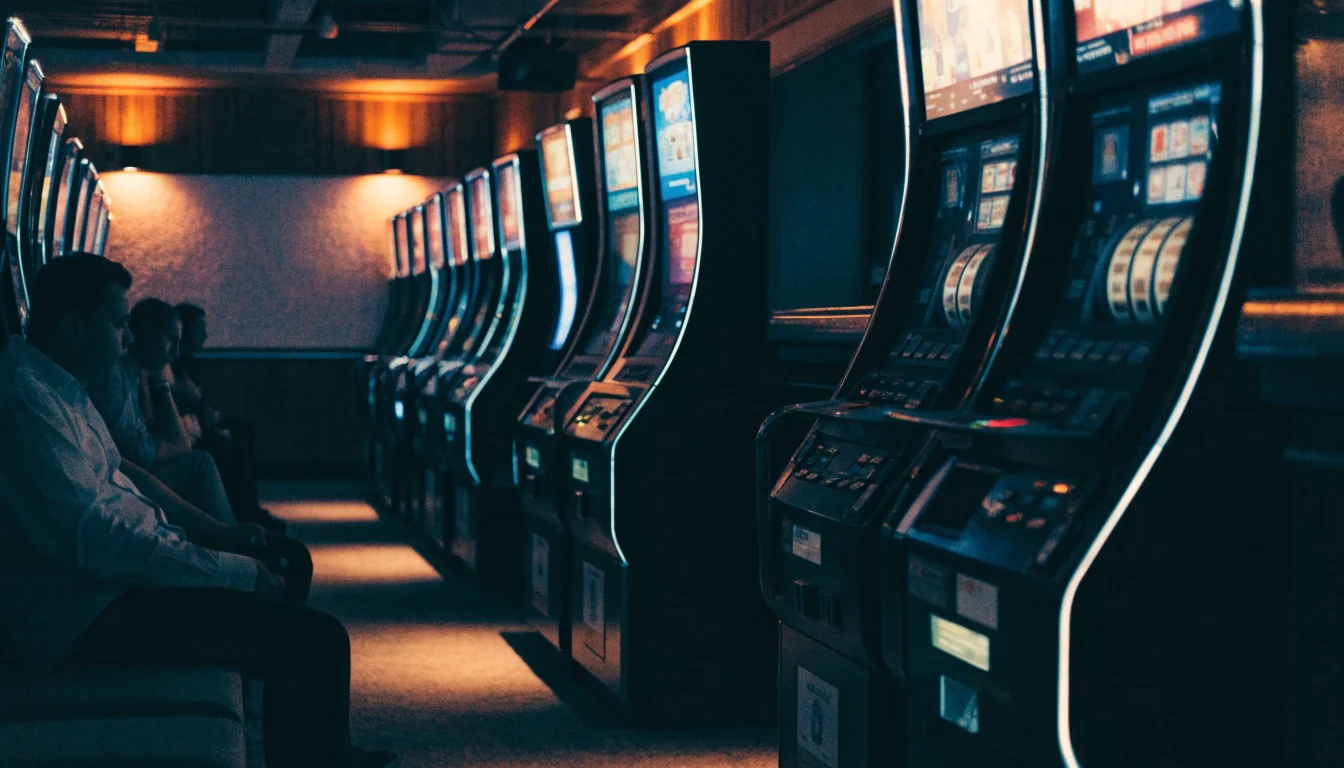
I have seen “best” do a lot of work in venue advertising. It can suggest atmosphere, service or a broad choice of machines, while leaving the practical safeguards in the background. Those claims do not establish that one Melbourne venue is better for every patron, or that its machines offer a particular return. A venue-level assessment is more grounded when it looks at what staff are expected to do and what happens when someone appears to be struggling.
A report by regionriverina.com.au describes a requirement taking effect from 1 July: venues operating more than 20 gaming machines are to have a dedicated responsible gambling officer (RGO) present while those machines are running. The threshold is about the venue’s machine count, and the duty is tied to operating periods; it is not a statement that every venue has an RGO on site at all times. The report also describes a one-month grace period for venues to take down signage and put the officer arrangements in place. Those details are best understood as reported implementation measures, rather than a promise about what a particular Melbourne venue has already done.
The RGO role is distinct from the general presence of floor staff. A dedicated officer gives the venue a named point of responsibility for responding to gambling-related concerns while machines operate. That does not mean the officer can predict outcomes or control a patron’s decisions. The practical test is whether concerns can be noticed and handled through a clear process, rather than left to informal judgement.
Responsible Gambling Officer (RGO) Requirements
Venues operating more than 20 gaming machines are required to have a dedicated RGO present while those machines are running. This requirement includes a one-month grace period for venues to update signage and implement officer arrangements.
The same report says venues are to maintain a gambling incident register. It is intended to capture events, including situations where a patron’s behaviour suggests they may be at risk of gambling harm or already affected by it. A register makes the venue’s response part of an accountable process: an incident is recorded rather than disappearing into a shift change. It is an administrative safeguard, not evidence that harm has been prevented.
Other familiar tools sit at the level of the person’s play: deposit limits, loss limits, session time limits and self-exclusion. These can support boundaries, but their presence does not turn a venue into a risk-free setting. Nor do they tell anything about an individual machine’s return or the outcome of a particular spin. Different questions require different evidence.
That is why a list of “best pokies venues” can be misleading when it treats a venue name as a complete answer. The relevant details include whether the venue’s safeguards are visible in practice, how staff respond to concerns, and whether the information being presented concerns the venue or a specific machine. A polished room and a machine floor are not the same measure of quality.
From the counter side, procedures matter most when they are usable under pressure. A responsible-gambling policy is only meaningful if staff know who takes responsibility, incidents are documented, and support is not reduced to a sign on a wall. The register and the RGO requirement address parts of that system. They do not certify a venue as “best.” They establish duties.
Crown Melbourne: What Can Be Confirmed Here
Crown Melbourne is a specific venue, but naming it does not establish what is available on its gaming floor. A venue name is not a machine list.
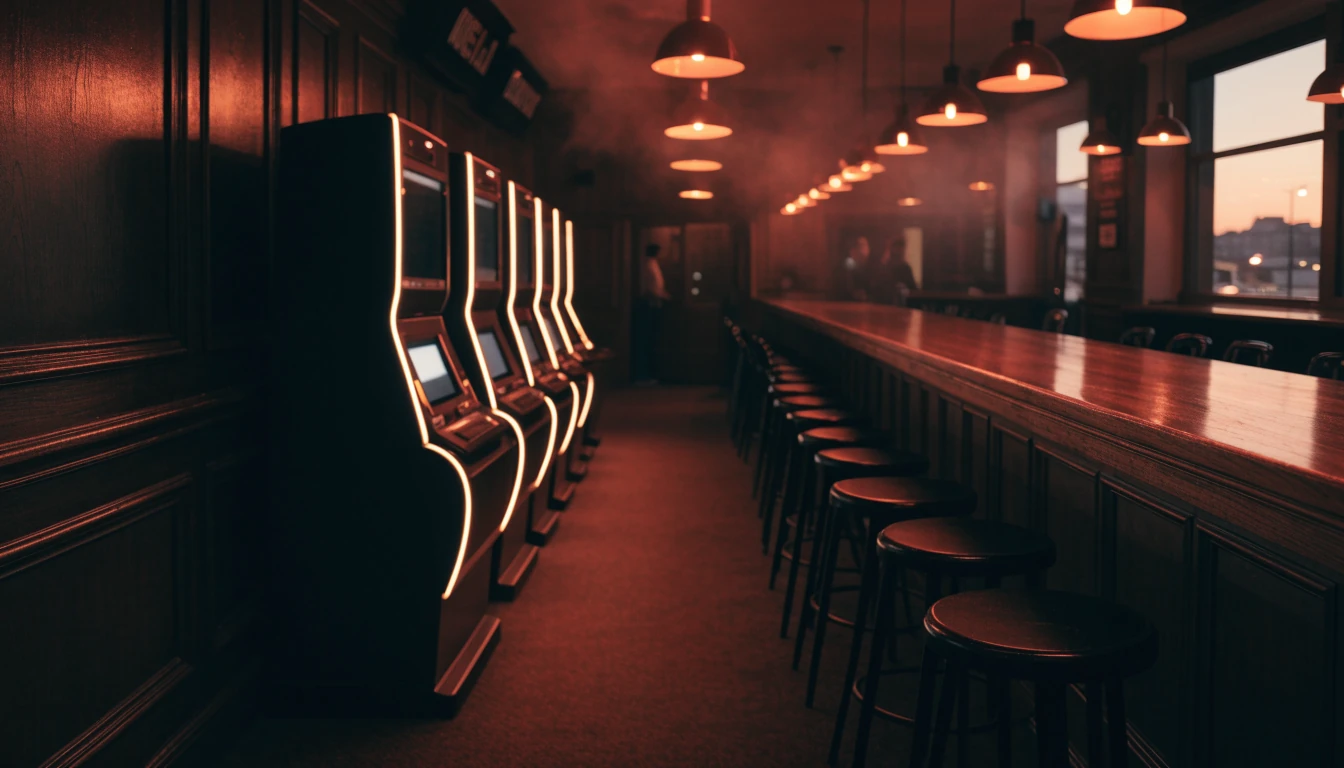
That distinction matters because “pokies at Crown” can mean several different things. It may refer to the existence of gaming machines at the venue, a particular game someone hopes to play, or a dedicated area described as a pokies room. Those are separate claims. Evidence for one would not automatically confirm the others, and a general description of the venue would not settle the details of its machines.
I have seen how easily a broad label gets treated as a precise promise. A page may use a venue name alongside familiar game terminology, while leaving unanswered whether the named game is actually present, currently available, or offered in the configuration implied. That is not a minor distinction. A title, a room and a whole venue are different units of information.
The same care applies to claims about returns. A game’s name alone would not prove its settings at a particular location. Nor does a promotional description of a room establish any measurable advantage. In this context, “best” is an opinion unless the comparison has clear, relevant evidence behind it.
The practical standard is modest: a claim about Crown’s pokies should identify exactly what it covers and when it was checked. A current machine directory would answer a different question from a venue overview; a statement about one title would not describe the entire floor. Without that level of detail, a confident-sounding list can give the appearance of certainty without resolving the point that brought someone there.
That is not a judgement about the venue. It is a boundary on what can responsibly be stated.
Venue vs Machines
A venue name is not a machine list; specific availability and settings must be verified independently of the venue’s identity.
A useful description does not turn a name into evidence. It keeps the distinction visible between a venue and the machines within it, and between an advertised impression and a fact that can be checked. For Crown, that distinction is the whole point.
Online Pokies, Cashless Payments and the Australian Legal Position
A Melbourne venue and an online pokie service sit under different rules. A pokie played in a physical venue is not the same thing as a real-money game delivered over the internet. The Interactive Gambling Act 2001 prohibits operators from providing online casino games, including pokies, to people in Australia. There is no Australian-licensed online casino.
That distinction matters when a search for Melbourne pokies turns up a site claiming to offer online play. A payment option, polished website or Australian-facing language does not change the legal position. PayID is a way to transfer money; it is not a gambling licence, a fairness certificate or evidence that a game’s return settings are disclosed. The payment rail and the operator’s legal status are separate questions.
PayID is an alias service built on the New Payments Platform. It can route a transfer using an email address, mobile number or ABN, and the platform is supported by major Australian banks and uses end-to-end encryption. Those features describe the transfer system, not the purpose or safety of a transaction to a gambling business. Using PayID for real-money play would first require linking it to a bank account.

There is also a practical complication: a specialist review has reported that some Australian banks, including major banks, sometimes block PayID transfers to gambling merchants they recognise. That should be read as a report about bank practices, not as a permanent rule applying to every bank or payment. A transfer’s success—or failure—says nothing conclusive about whether an online casino is lawful.
The consequences sit with the operator under the Australian framework, but that does not give a customer a reliable route to recover money from an offshore casino. If such a business refuses to pay winnings, an Australian player has no legal recourse in Australia. A screen displaying a balance is not the same as funds held under Australian protections. The distinction is material.
“Cashless pokies” can also blur two separate ideas. Cashless describes how money might be transferred or handled; it does not turn land-based play into online play, nor does a cashless payment feature establish anything about a machine’s return or a venue’s offering. Likewise, the word “online” in a listing does not make an internet casino a Melbourne venue.
For searches combining Melbourne with online pokies, cashless play or high stakes, the useful dividing line is not the payment button. It is whether play takes place at a physical venue or through an internet service. PayID remains a payment mechanism only. The legal status is separate.
Pokies Opening Hours: What Is—and Is Not—Verified
A request for a Melbourne venue that operates around the clock sounds straightforward, but “open” can describe more than one thing. A venue may have its own trading hours, while access to pokies may be subject to a separate operating schedule. Without a confirmed timetable for a particular venue, those details should not be treated as interchangeable.
General venue trading hours do not automatically establish the specific operating schedule for the pokies within that venue.
I separate the question of whether a venue is open from whether its pokies are available throughout that period. A listing that shows general opening hours does not, by itself, establish machine operating hours. Nor does a broad claim about Melbourne establish the schedule at every venue. The distinction matters most when a trip depends on being able to play, rather than simply enter the premises.
“Twenty-four-hour” is a precise claim, not a loose way of saying late-night access. It needs to be supported by a venue-specific schedule that clearly covers the relevant premises and pokies. Without that, describing a place as an all-night option would overstate what is known. I have seen how a short label can carry more certainty than the detail behind it. Small wording, real difference.
The same care applies to general Melbourne pokies opening hours. There is no single timetable that can be applied across the city on the strength of a city-wide description. A venue’s hours may be listed somewhere, but that does not make them a reliable guide to another venue or to machine availability. The useful detail is the specific operating information for the place in question, not a broad promise of late access.
For anyone planning around a particular venue, the practical check is direct: confirm the venue’s current trading hours and ask separately whether pokies will be operating during the intended visit. If the published information does not distinguish between the two, it leaves an important point unresolved. That is not the same as evidence that the machines run all night.

I would not describe Melbourne as having verified around-the-clock pokies venues without clear, venue-level schedules to support that statement. A general opening-hours label can help with planning, but it cannot settle the machine-hours question on its own. No shortcut.
East, South-East and Western Melbourne Searches
A suburb or region narrows the area being considered; it does not establish which venues have pokies or what machines are available inside them. That distinction matters across Melbourne’s east, south-east and western suburbs. A location label can look precise on a map while leaving the practical question unanswered: whether a particular venue offers gaming at all.
I have seen this get lost in the word “best”. It sounds like a comparison of nearby options, but without confirmed venue details, there is no sound basis for ranking one suburb’s offering above another’s. A broad regional description is not a venue list. Nor does a result attached to a suburb establish that its information is current.
St Kilda brings the same issue into sharper focus because it is a specific place, while “South-East Melbourne” covers a wider area. Neither label confirms a particular pokies offering. The useful next step is to identify an actual venue and confirm its details through that venue’s own information, rather than treating a suburb name as evidence.
The phrase “Newcastle and Melbourne” needs care, too. It joins two place names, but does not by itself clarify which location is intended. A result that combines them should not be read as proof that Newcastle is part of Melbourne or that a Melbourne venue is being described.
Legal Warning
The Interactive Gambling Act 2001 prohibits operators from providing online casino games to people in Australia, and there are no Australian-licensed online casinos.
Maximum-bet searches are a separate question from location. A venue name or suburb cannot establish the maximum stake for a particular pokie. That information belongs to the specific game and its displayed rules; a regional label does not tell the whole story. “Max bet” is not a promise of a better outcome. It describes a stake setting, not a way to make results predictable.
I would keep those checks separate: place first, then the specific venue, then the machine’s own terms. That avoids turning a broad location phrase into an unsupported claim about what is on offer. No regional shortcut.
Pokies Searches in Melbourne’s CBD and Clubs
CBD and club searches point to a particular kind of venue, but the wording alone does not confirm that a named club has pokies, how many machines it offers, or whether they are available at a particular time. A club’s name and location are not a machine listing. Those details need to be established directly with the venue before a trip is planned.
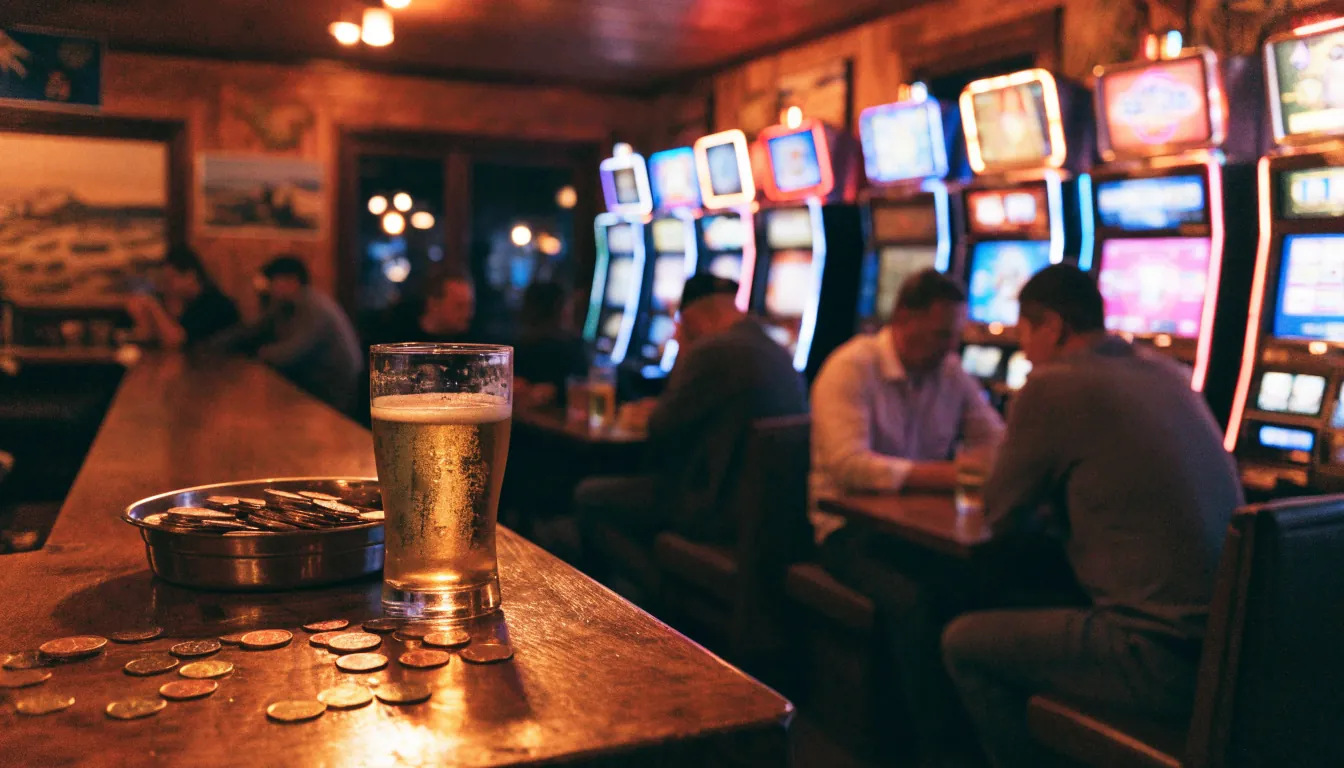
That distinction matters because “best” can sound like a ranking when it may only reflect a venue’s profile or a search result’s prominence. I have seen how quickly a broad label becomes an implied promise. Without confirmed information about the machines and their settings, there is no sound basis for calling one CBD venue the best place to play. A map pin is not evidence of a particular offering.
Club membership is another separate question. The word “club” does not, by itself, establish what entry conditions apply or whether gaming facilities are available to visitors. Those arrangements are venue-specific. Treating them as uniform can lead to a wasted journey.
Self-exclusion is a different kind of decision from choosing a location. It is a responsible-gambling tool, alongside deposit, loss and session-time limits. The practical point is to confirm which exclusion process applies to the relevant gambling service; a general reference to self-exclusion does not establish that one request covers every venue or service. BetStop applies only to Australian-licensed operators and does not bind offshore sites.

For a CBD visit, the useful checks are therefore concrete: confirm the venue’s current machine offering, any entry conditions, and the process for excluding oneself from gambling there. Those checks should come from the venue, not from a broad label attached to a club or suburb. No ranking follows from the postcode.
North and South Melbourne: Location Searches Without Verified Venue Listings
North Melbourne and South Melbourne are distinct location labels, but a suburb name alone does not establish that a nearby venue has pokies. I have seen how easily a broad directory entry can look more definite than it is: a venue may be described as “local” without the listing making clear which suburb it is in or whether gaming machines are part of its offering.
That distinction matters when comparing results for North Melbourne with those for South Melbourne. A map pin, business category or reference to entertainment does not, by itself, confirm pokies on site. Nor does a venue name containing “Melbourne” settle its location. The practical check is whether the listing identifies the specific premises and explicitly describes gaming machines, rather than relying on a general label or an assumption based on the venue type.
For North Melbourne in particular, results can be easy to read as a suburb-wide guide when they may simply gather businesses under a broad Melbourne heading. South Melbourne listings can create the same problem in reverse: a result associated with the area is not automatically a confirmed pokies venue. These are small distinctions on a screen, but they affect whether a result answers the location question at all.
I would treat any unqualified list as a starting point, not a confirmed inventory. The name of a suburb narrows the search; it does not verify what is available inside an individual venue. If the premises and its gaming-machine offering are not both clearly identified, the result remains ambiguous. No reliable shortlist follows from the place name alone.
That is the limit. A location label is not proof of a venue’s facilities.
Are online pokies legal for Australian players?
Yes, Australians can play on offshore sites that accept them, but no Australian-licensed online casino exists. The law prohibits operators from offering real-money online pokies to Australians without a domestic licence, and players have no legal recourse in Australia if an offshore casino withholds winnings.
What is the legal age for online gambling in Australia?
You must be 18 or older to gamble online in Australia.
Can casinos change the RTP of their games?
Yes. Some game providers let casinos choose between multiple RTP settings for a game, so the same pokie can have different return percentages at different casinos.
What is the best payment method for fast withdrawals in Australia?
E-wallets such as Skrill and Neteller are popular for their speed, making them an option to consider for faster transactions.
Written by the editors at Golden Bet Casino.