Perth Casino: Hotels, Venue Searches and Practical Details
 Available in AU
Hotel ownership, proximity, venue access and gaming searches are distinct questions, and the page avoids assuming they mean the same thing.

Table of Contents
- Staying at the Casino: What the Hotel Queries Actually Cover
- Perth Casino: Opening, Events and the Wider Resort Picture
- Accommodation Near the Casino: The Nearby-Stay Search
- Getting in, Getting Around and What’s on at the Venue
- Breakfast, Buffet Searches and Casino Rewards
- Gym, Poker Room and Poker Tournaments: What Can Be Verified
- Spa, Dress Code and Other Practical Venue Searches
- Online Casino Searches from Australia: The Legal and Location Limits
- Restaurants at the Casino: A Search Theme, Not a Verified Shortlist
- Poker Machines and the Casino Name: Separating Venue Searches from Game Mechanics
Staying at the Casino: What the Hotel Queries Actually Cover
A search for a casino hotel in Perth can point to different things. It may mean a hotel operated by the casino, a property physically connected to the venue, or simply a place to stay nearby. Those are distinct arrangements, even when they appear under similar wording. The name alone does not settle which one is meant.
That distinction matters because a hotel is a separate product from a casino visit. A room has its own booking conditions, rate, inclusions and cancellation rules. A property’s proximity to a gaming venue does not establish that the venue runs it, and a shared name or marketing association would not, by itself, explain the relationship either. I have seen those categories run together in promotional language. The practical details are what separate them.
Rooms and deals are different questions
A request for hotel rooms is usually about the stay itself: room types, availability, what the rate includes and the conditions attached to a booking. A request for a hotel deal is more specific about price or an offer. It can still leave important points unresolved: whether the quoted rate applies to the desired dates, whether extras are included, and what happens if plans change. “Deal” is a sales label, not a complete description of the booking.
Choosing an online casino while in Perth calls for checking the available information rather than relying on a name alone. This list provides a concise reference to the stated licensing, deposit, and payout details for each option.
License: Curacao OGL/2024/1335/0780 · Min. deposit: EUR 20 Vegaz Casino lists a Curaçao OGL licence, number 2024/1335/0780, and a minimum deposit of EUR 20.
License: Curacao Gaming Control Board OGL/2023/176/0095 (Hollycorn N.V.) Neospin lists a Curaçao Gaming Control Board licence, OGL/2023/176/0095, under Hollycorn N.V.
License: Curacao · Min. deposit: A$20 (POLi) Lucky Dreams lists a Curaçao licence and a minimum deposit of A$20 via POLi.
License: Tobique Gaming Commission · Payout speed: crypto ~10-15 minutes, fiat 1-5 days · Min. deposit: A$30 SkyCrown lists a Tobique Gaming Commission licence and a minimum deposit of A$30. Its stated payout times are around 10–15 minutes for crypto and 1–5 days for fiat.
License: Curacao Gaming Control Board OGL/2023/174/0082 (Dama N.V.) SpinsUp lists a Curaçao Gaming Control Board licence, OGL/2023/174/0082, under Dama N.V.
License: Curacao · Payout speed: crypto 30-60 minutes, fiat 1-5 days · Min. deposit: A$10 Wild Tokyo lists a Curaçao licence and a minimum deposit of A$10. Its stated payout times are 30–60 minutes for crypto and 1–5 days for fiat.
Payout speed: crypto ~90 minutes, fiat 1-5 days · Min. deposit: A$30 Kingmaker lists a minimum deposit of A$30. Its stated payout times are around 90 minutes for crypto and 1–5 days for fiat.
License: Curacao Gaming Authority (Jumpman Gaming Ltd) DragonSlots Casino lists a Curaçao Gaming Authority licence associated with Jumpman Gaming Ltd.
License: Curacao Gaming Control Board JustCasino lists a Curaçao Gaming Control Board licence.
License: Curacao Gaming Control Board OGL/2023/176/0095 (Hollycorn N.V.) GoldenCrown lists a Curaçao Gaming Control Board licence, OGL/2023/176/0095, under Hollycorn N.V.
The same care applies to searches for a casino hotel or casino hotels. Singular wording may reflect a particular property in mind; plural wording may indicate a comparison. Neither tells us whether the properties are casino-owned, on the same site, or simply in the surrounding area. A useful comparison begins with the hotel’s identity and the terms of the stay, rather than assuming that a casino-related phrase guarantees a particular connection.
In my experience, the word “package” can do a lot of work in hotel marketing while saying little about the components. A room offer may bundle services, or it may only describe a rate. The label does not answer what is included. The booking conditions do.
The venue hotel and a nearby hotel
“Hotel at the casino” and “hotel near the casino” are not interchangeable descriptions. The first suggests a direct connection to the venue, but that connection still needs to be clear: it could refer to ownership, location, or a commercial association. The second is a location-based description. It does not imply casino management, a joint booking arrangement or any particular service.
This is why hotel options should not be collapsed into one shortlist simply because they share a location phrase. A traveller comparing places to stay needs to know what each property actually is and what its own booking terms say. A casino-branded hotel, where one exists, would be assessed as a hotel product; nearby accommodation would be assessed on its own merits. The two searches overlap geographically, not necessarily commercially.
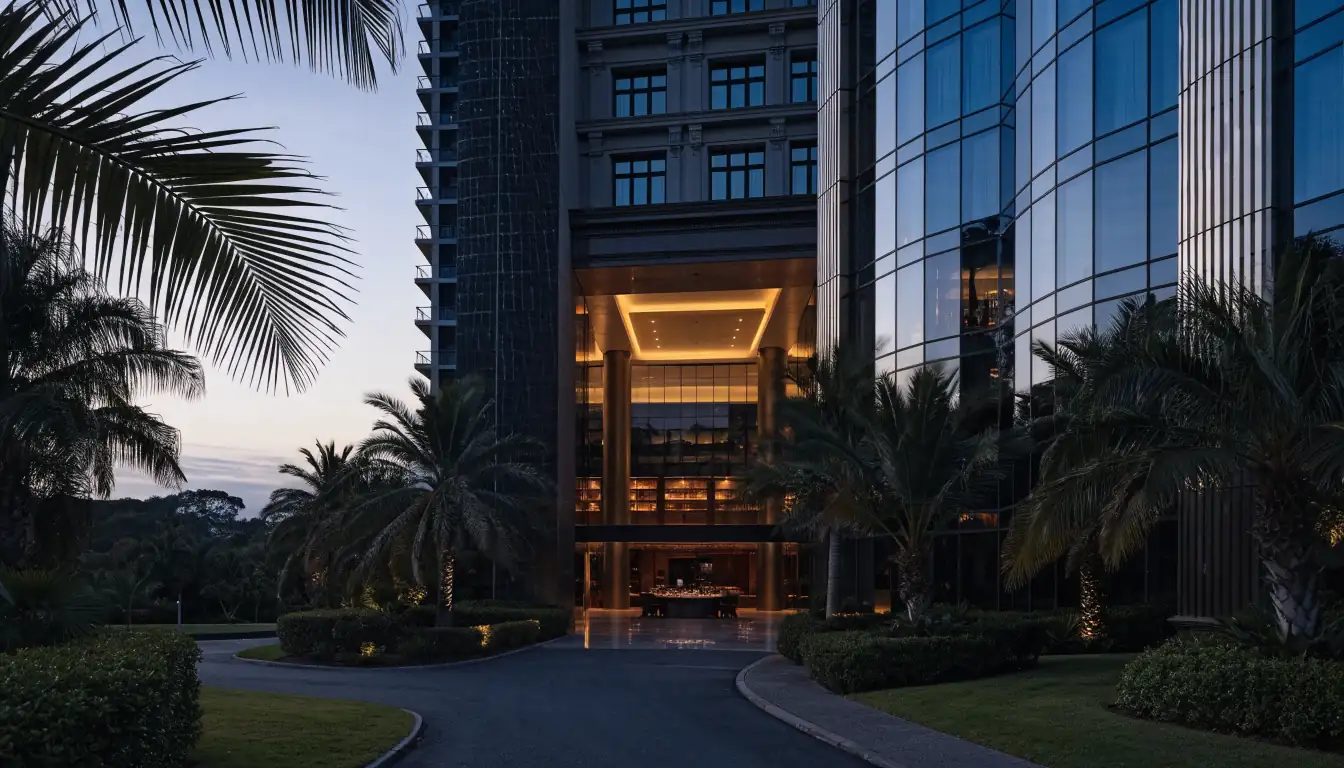
Opening hours belong to a different practical question. A hotel booking does not establish when a casino venue is open, and venue hours do not define a hotel’s room access or booking conditions. Those details should be treated separately rather than inferred from one another.
The careful reading, then, is simple: hotel-specific wording concerns rooms, rates and the relationship between a property and the casino; nearby-stay wording concerns location. The terms may sit close together in everyday language, but they answer different questions. No shortcut in the label.
Perth Casino: Opening, Events and the Wider Resort Picture
A casino’s public profile is broader than its gaming floor. Searches about development, reopening, employment and entertainment point to different kinds of information, and they should not be treated as proof of one another. A building project does not confirm an opening date; an event listing does not establish that every part of a venue is operating; and a careers page does not show how many roles are available.
That distinction matters whenever the subject is Perth Casino. I separate confirmed announcements from assumptions built around the word “reopen”. It can refer to a venue returning after a temporary closure, a particular facility resuming operations, or a proposed project reaching a new stage. Without a clearly dated announcement that identifies what is reopening, the term alone is not enough to establish what is open or when.
A general statement about a venue’s status is not a guarantee of access; specific dates and facilities must be identified to confirm what is actually open.
The same care applies to development. The word “development” may describe planning, construction, a change to existing facilities or a broader resort proposal. Those are materially different stages. Promotional language can make a proposal sound settled; operationally, however, the useful detail is whether a project has received approval, is under way, or has been completed. Each status answers a different question. A headline is not a handover.
Employment is another separate strand. A reference to casino jobs might mean ongoing recruitment, a future hiring programme connected with a project, or general information about working in the hospitality and entertainment sector. Those meanings should not be collapsed into a claim that vacancies are currently available. For a sound decision, the role, location, employment status and date of the listing matter more than a broad phrase about casino employment. A past recruitment announcement is not a live offer.
Entertainment and events also need to be read on their own terms. A venue may be discussed as an entertainment destination without that description confirming a particular performance, event calendar or regular programme. Event information is inherently time-sensitive: a dated listing can establish that something was scheduled for that date, but it says little about what follows. I would treat “events” as a prompt to look for a specific event name, date and organiser, not as evidence of a standing schedule.
There is a wider resort question behind these searches. Casino developments are often presented as part of a destination offer, where gaming, hospitality, entertainment and other public-facing functions sit under one broad identity. That framing can be useful for understanding the commercial ambition, but it does not prove that each component is operating, accessible or available at the same time. A resort label is a description of scope, not a guarantee of what a visitor will find on a given day.
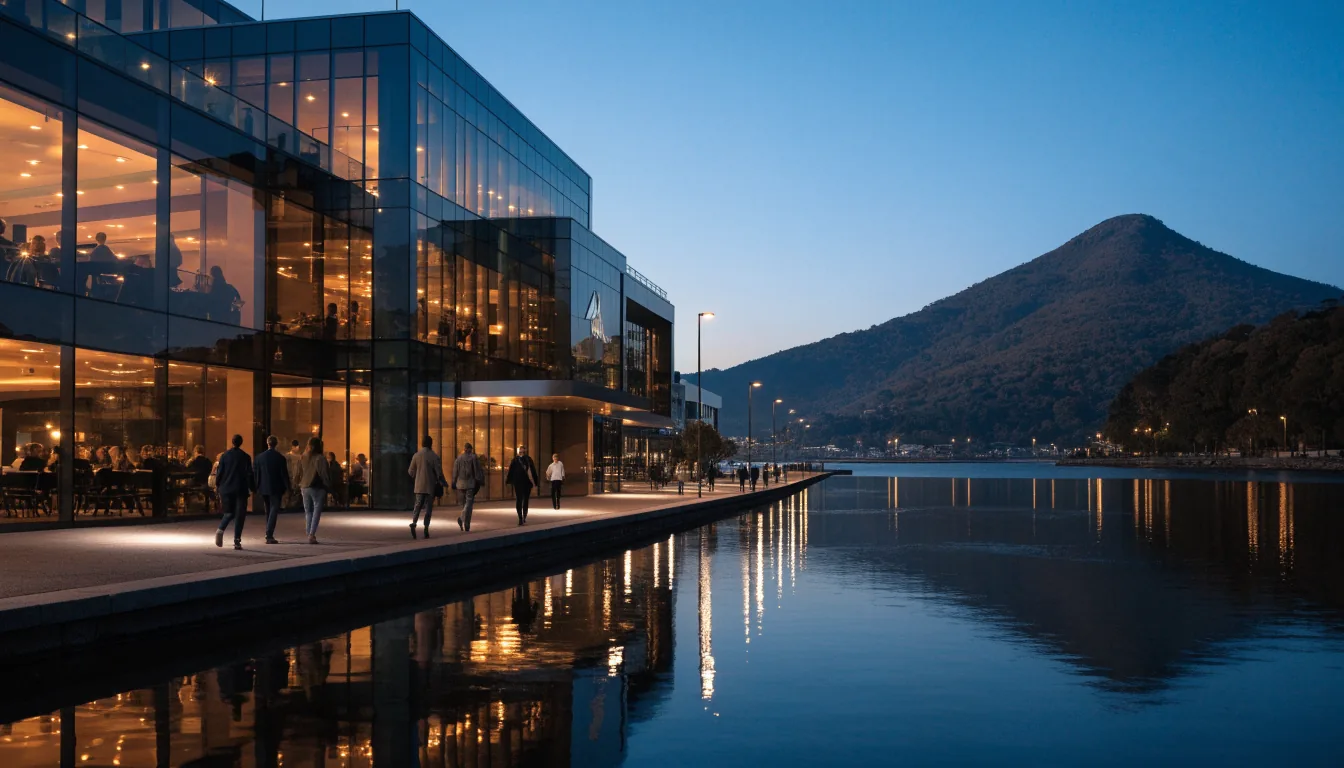

For opening status, the practical distinction is between a general statement about the venue and confirmation for the particular date or facility in question. A venue can have different operating arrangements across its spaces, and a reopening notice may apply only to one part. Clear wording should identify the relevant area and the period covered. “Open” without that context is thin information.
I have seen how easily a broad announcement gets repeated until it sounds like an operational fact. The safer reading is straightforward: development describes change; employment describes work; entertainment describes an offer; events describe dated activity; and opening language describes current access only when it is specific enough to do so. None should be used as a substitute for the others.
That is the wider picture behind Perth Casino’s public-facing role: a set of claims that need to be read by category and by date, rather than bundled into a single promise of a functioning resort experience. No shortcut.
Accommodation Near the Casino: The Nearby-Stay Search
A stay near a casino and a room inside its hotel are different decisions. The first is about the surrounding area: where accommodation is in relation to the venue, what kind of stay it offers and whether its location suits the rest of a trip. The second is about the casino’s own hotel arrangements. The wording can blur those intentions, but the distinction matters before comparing prices or making plans.
Attention: The term “near” is a general proximity signal and does not guarantee a specific distance, route, or suitability for your travel plans.
I have seen “near” treated as if it were a measurable promise. It is not. A listing may use the phrase to signal general proximity without explaining how that relates to a particular entrance, route or travel plan. The casino’s location is only one reference point; a nearby stay is not automatically the most suitable one. The useful comparison is between the property’s stated position and the places the visitor actually expects to reach.
That sounds obvious. It often gets skipped.
The same caution applies to accommodation deals. A price described as a casino deal may refer to a hotel package, a third-party booking offer or a promotion with conditions attached. The label alone does not establish who is providing the room, what is included or whether the offer applies to accommodation outside the casino. I would separate the room rate from any promotional language and look for the terms that define the actual booking.
“Perth casino accommodation” can therefore mean several things: the casino hotel, a separate property nearby, or a general stay chosen for access to the venue. Those are not interchangeable categories. A comparison becomes misleading when the hotel itself and independent accommodation are grouped together simply because both appear in results for the same destination.
Other searches add facilities to the decision. References to a pool, food or a food court may describe something a person hopes to find at the casino, at a hotel, or somewhere else around the stay. They do not establish that a particular accommodation listing provides those facilities. Nor does a nearby address prove that dining or leisure options are part of a room offer. Each feature needs to be tied to the specific property or venue being described.
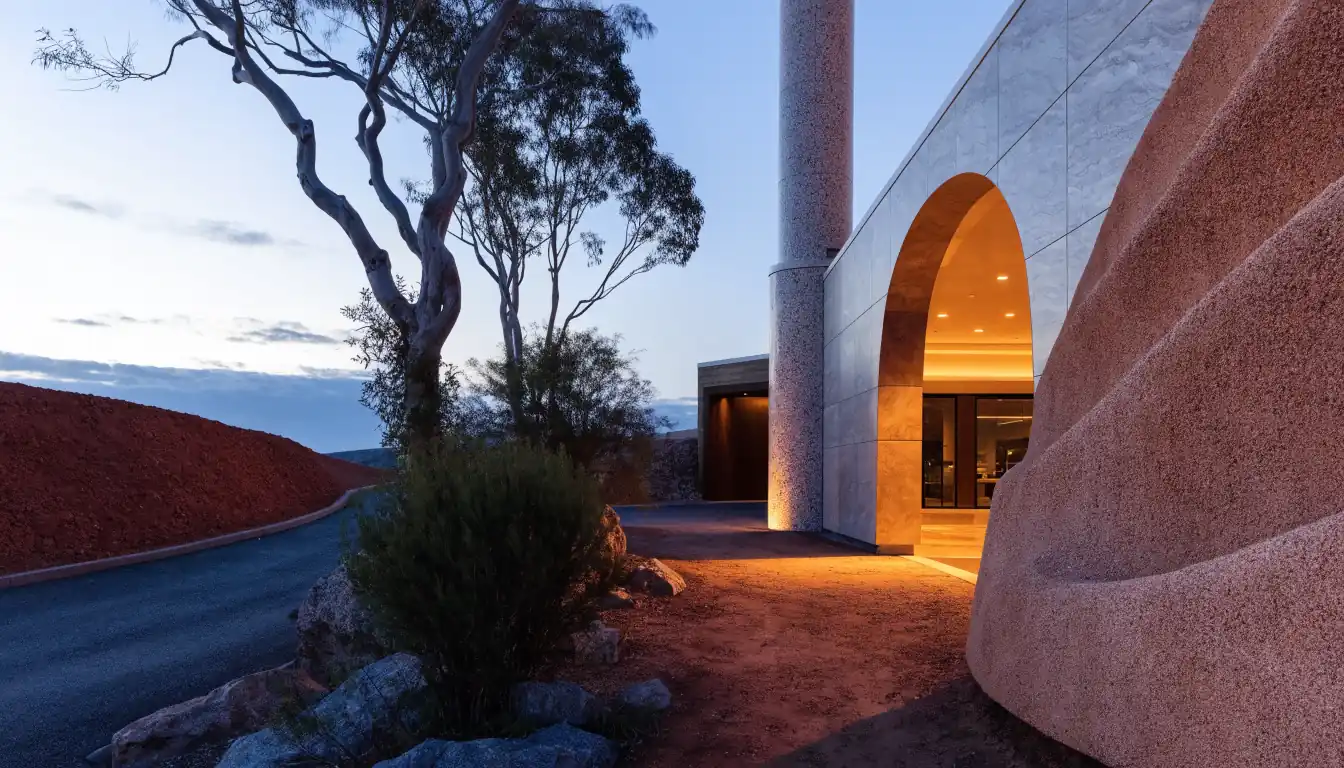
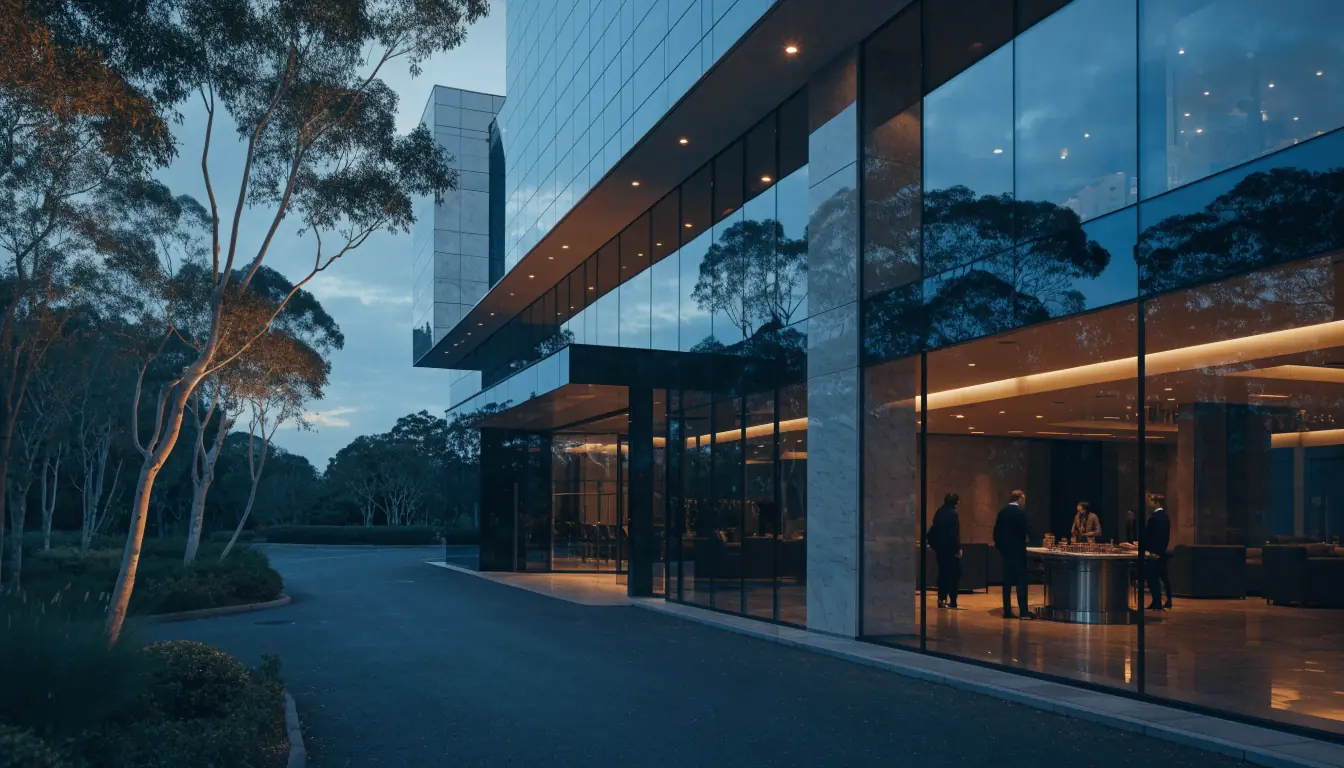
This is where promotional wording does its quiet work. “Convenient” can mean little more than a location claim; “package” can bundle a room with something whose value depends on the visitor’s plans. Neither word is a substitute for a clear description of the property, the inclusions and the conditions. In my experience, the headline is the easy part. The booking terms carry the decision.
For a Perth stay connected with the casino, the sound approach is to keep the categories separate: accommodation at the venue, accommodation nearby, and a broader city stay. Then assess each on its own stated location and terms. A search phrase cannot confirm current availability, a special rate, a pool, food facilities or any other amenity. Those details belong to the individual offer, not to the idea of staying near a casino.
The distinction is simple. The evidence is not.
Getting in, Getting Around and What’s on at the Venue
Practical venue searches look simple until a detail has to be acted on. An address, a contact number, a parking entrance or a concert listing can change, and a result copied from an old directory may not describe the current operation. I have seen how easily a polished listing gets treated as confirmation. It is not. For Perth Casino, those details need to be checked against the venue’s own current information before travel is planned.
- Use maps for general orientation
- Confirm access via official venue channels
- Verify event dates with organisers
- Rely on old directory listings
- Assume a map pin explains the internal route
- Treat cached event pages as live schedules
A map result is useful for orientation, but it does not settle which entrance is open, where a car park can be accessed, or whether parking is available at a particular time. The same distinction applies to directions: a pin may locate a property without explaining the practical route inside it. The safest reading is narrow—use a map to locate the venue, then confirm access and parking arrangements through an official venue channel. No guesswork from an old listing.
Contact searches have a similar problem. A number shown in a directory can belong to a general switchboard, a third-party booking service or a department that does not handle the issue in question. A current official contact page is the better starting point; the purpose of the call should be matched to the right department where that information is provided. I would not publish an unverified number simply because it appears repeatedly online. Repetition is not proof.
Concert information also needs a date attached to it. A past listing can remain visible after a performance has ended, while a venue calendar may distinguish ticketed events from other entertainment. Before making plans, confirm the event date, ticket arrangements and any access conditions through the organiser or venue’s official listing. A search result or cached event page is not a live schedule.
The same restraint matters for gaming queries. “Baccarat” and “craps” identify specific table games, but a general casino label does not establish that either game is currently offered at a particular venue, in a particular format or at a particular time. Availability is an operational detail, not something to infer from a venue’s name. The responsible answer is to verify it directly rather than imply a table is open.

There is a practical difference between finding information and treating it as a promise. Maps, event aggregators and directory pages can be helpful leads; the final check belongs with the venue or event organiser. If a detail cannot be confirmed, leave it unresolved rather than filling the gap with a plausible-sounding address, phone number or schedule. That is less flashy. More reliable.
For anyone considering gambling, entertainment listings do not change the basic risk: losses can accumulate, and increasing bets to recover them is not a sound response. A session budget should reflect money available for leisure, not essentials, and chasing losses should be avoided. The event is separate from the wager.
Breakfast, Buffet Searches and Casino Rewards
Breakfast and buffet searches are often treated as if they point to a confirmed dining offer. They do not. “Breakfast” may mean a meal included with a room, a separately priced service, or a venue someone remembers from an earlier visit. “Buffet” can refer to a particular dining format, but the word alone says nothing about whether one is currently operating, what it serves, or when it is available.
I learned to separate the label from the terms behind it. A meal described as part of a stay may have different conditions from a meal booked on its own. A buffet listing may be outdated or tied to a specific service period. Without current details, neither “casino breakfast” nor “buffet breakfast” is enough to establish what a Perth visit would involve. The distinction matters. A headline can sound like an offer while leaving the actual inclusions unclear.
Understanding Resort and Rewards Labels
A “resort” label describes the scope of a destination but does not guarantee that every facility is operating. Similarly, rewards programmes are defined by their specific terms and conditions rather than the promise of the name.
The same caution applies to searches for a casino resort. “Resort” is a broad description, not a precise inventory of facilities or services. It can lead people to expect a connected package of accommodation, dining and leisure, but each part needs to be confirmed separately. The word does not establish what is available at a particular venue, or whether a particular service is included in a booking.
Rewards programmes also need to be read as terms, not as a promise of value. The name may suggest benefits, but it does not explain how membership works, which purchases qualify, how rewards are earned or whether they expire. Those details determine whether a programme is useful in practice. Promotional language is the easy part. Conditions do the work.
I have seen how quickly a broad label becomes an assumed entitlement. “Complimentary” sounds simple; the real question is what qualifies and what restrictions apply. “Rewards” sounds like a return; the useful question is how the return is calculated and whether it can actually be used. If the conditions are not clear, the label should not be treated as a confirmed benefit.
Employment searches are a separate matter from meals and membership. A listing for casino work needs to be checked as a current vacancy, with the role and application conditions stated by the employer. The phrase “jobs at the casino” does not establish that a position is open or describe its requirements. It is better not to infer recruitment details from the venue’s name alone.

For Perth, the practical distinction is straightforward: breakfast, buffet, resort and rewards are different claims, even when they appear together in one promotion. Each requires its own current description. Until those terms are available, a search for breakfast or a buffet should not be read as confirmation of a meal, and a resort or rewards label should not be mistaken for a complete account of what is included. Separate the promise from the condition. That is the useful test.
Gym, Poker Room and Poker Tournaments: What Can Be Verified
A casino gym and a poker room answer different questions, even when both are described as facilities within the same venue. A gym search concerns exercise equipment, access rules and whether use is included with a stay or charged separately. A poker-room search concerns live table games: whether they run, how games are arranged and what access conditions apply. One label does not establish the other.
The word “rooms” is particularly easy to misread. In a hotel context, it means places to stay; in a gaming context, it may refer to a dedicated poker area. I keep those meanings separate. A hotel room listing cannot confirm that a poker room exists, and a poker-room reference says nothing about hotel accommodation. Nor does a general casino description settle whether guests can use a gym.
Poker rooms and tournaments
A tournament listing is more specific than a general reference to poker. It should identify the event format, dates, registration arrangements and any conditions that affect participation. A venue may offer poker without running tournaments, or publish a tournament schedule that changes over time. Those are distinct claims, and a past event notice is not proof of a current calendar.
A facility for live table games with specific access conditions and operational hours.
Specific events with set formats, registration dates, and participation conditions.
Electronic gaming machines, which are distinct from live table games and subject to different regulations.
The same distinction matters for the phrase “poker room”. It can describe a permanent facility, a temporary event space or simply a category used in promotional copy. I would look for current venue information that names the poker operation and states how it works before treating the phrase as a practical offer. The label alone is not enough.
Nor should poker be confused with poker machines. NSW information about electronic gaming machines concerns a different form of gambling and a different state. Club Liverpool’s position as the NSW club with the most operational poker machines does not establish anything about a Perth poker room, its facilities or tournament schedule. Different game, different jurisdiction.
Gym, sports bar and coffee shop
A gym listing needs to clarify who may enter and under what terms. Access might be tied to hotel accommodation, membership or another condition; the word “gym” by itself does not tell which. The same care applies to a sports bar or coffee shop: a name or category does not establish its location, opening arrangements or current availability. Those details belong to the venue’s own current information, not inference from a casino’s general profile.
I have seen how broad facility labels can do a lot of work in promotional material. “On-site” sounds definite, but may leave the important conditions unstated. Specifics matter. A useful listing identifies the facility and its access terms; a tournament announcement gives event details; and a hotel description keeps accommodation separate from gaming facilities. Without that separation, a search result can appear to answer a question it has not actually resolved.
Spa, Dress Code and Other Practical Venue Searches
A spa search is often really a question about whether a casino visit can include a separate wellness booking. The phrase alone does not establish that a spa operates at the Perth venue, what treatments it offers, or whether access is tied to a hotel stay. I have learned to separate the idea of a “day spa” from a confirmed service: the first describes what someone hopes to find, not what is available on a particular date. Any treatment menu, booking conditions or opening status needs confirmation through current venue information.
Address searches have a similar practical purpose: they help identify the property being discussed, rather than resolve what is inside it. Names can be used loosely in listings, so I would match the address against an official venue source before relying on a map entry or an older directory. That small check matters when a business name, entrance or listing changes.
Bars are another category where a broad label can create an impression of a complete venue guide. It does not confirm how many bars there are, their hours, whether reservations are needed, or what service is available. Those details are operational and can change. A current venue listing is more useful than an old review, particularly when the question is about a specific bar rather than general nightlife.
Dress code wording needs the same care. “Smart casual” can sound precise in a promotional description but leave room for interpretation at the door. Without a current, venue-specific policy, it would be misleading to state what clothing is accepted or refused. The reliable distinction is between a general impression and an enforceable entry condition; only the venue’s current terms can settle the latter.
Real-money online casino games are prohibited for operators serving people in Australia under the Interactive Gambling Act 2001.
Career searches should be treated as recruitment information, not as evidence that a particular role is open. Job titles, employers and application routes can differ across departments and contractors. I would look for a live listing that names the employing organisation and explains how applications are handled, rather than assume that an old vacancy remains active.
The broad search for casino games also needs a boundary. It might refer to the games available at a physical venue, but a general label cannot establish the current selection or any rules attached to particular areas. Nor should it be confused with online play: real-money online casino games are prohibited for operators serving people in Australia under the Interactive Gambling Act 2001. Different setting. Different rules.
Online Casino Searches from Australia: The Legal and Location Limits
A search for an online casino connected with Perth can blur two separate questions: what a physical casino offers and whether an online operator may serve someone located in Australia. The venue name does not answer the second question. A Perth casino licence, where relevant to a physical venue, is not evidence that an online service is authorised to provide casino games to people in Australia.
The Interactive Gambling Act 2001 prohibits operators from providing real-money online casino games—including pokies and table games—to customers physically located in Australia. That applies to Australian-run services. Offshore platforms sit in a different legal position: Australian players are not criminally liable simply for using one, but those platforms are not regulated under Australian law. That distinction is easily lost in advertising. “Available” does not mean locally licensed, protected or lawful for the operator to provide.
Location controls are part of the mechanics. Online casinos and game providers can use an IP address to estimate where a player is connecting from, then block access from excluded countries. A game may be absent from the lobby or fail to load because of a regional restriction. The catalogue a platform advertises is therefore not necessarily the catalogue accessible from an Australian connection.
A VPN can make a connection appear to come from another country, but using one to reach region-blocked pokies sites breaches the site’s terms and may result in account suspension. It does not change the player’s physical location or turn an offshore platform into an Australian-regulated service. A workaround is not authorisation.
I have seen how these distinctions get flattened into a single “licensed” badge. The practical question is not simply whether an operator holds a licence somewhere; it is whether the service can lawfully be offered to someone in Australia and what protections apply if a dispute arises. Offshore platforms are outside Australian regulation, leaving limited local recourse and no assurance that winnings would be protected if an operator failed.
That is the useful boundary for searches combining Perth with online play: a local casino’s physical operations and an offshore website are not interchangeable. Nor does a result mentioning a licence establish permission to provide online casino games to Australians. The legal position is narrower than the marketing language suggests. Location matters.
Legal Risks
Offshore gambling platforms are not regulated under Australian law, meaning there is limited local recourse and no assurance that winnings are protected.
Restaurants at the Casino: A Search Theme, Not a Verified Shortlist
A restaurant associated with a casino is a separate proposition from the casino itself. The venue name may identify a place, but it does not establish which dining rooms operate there, what they serve, or whether a particular option is open on a given day. I learned to treat those as separate claims. A polished venue description can make them sound like one.
That distinction matters when comparing restaurants at a Perth casino with places nearby. “At” suggests an on-site option; “near” can mean a separate business in the surrounding area. Neither wording says anything about cuisine, price, booking arrangements or current service. Those details need their own confirmation, not inference from the casino’s name.
The same applies to a rooftop bar. “Rooftop” is a physical feature, not a complete description of the experience. It does not establish whether the venue serves meals, operates as a bar only, requires a booking, or has particular opening hours. Treating the phrase as a recommendation would turn a search label into a promise. It is not one.
Restaurant information is most useful when it is specific and current: the venue’s own name, the kind of food served, service times, booking terms and any restrictions on entry. Menus can change, and a listing that gives no date or direct confirmation may describe an earlier arrangement. That is an ordinary weakness of hospitality information, not a reason to assume the most attractive interpretation.

Dining also has different decision points from a hotel stay or a visit for entertainment. A restaurant choice depends on the meal, timing and table arrangements; a bar may have a different format and entry policy. Breakfast and buffet offerings are their own categories, not evidence of a wider restaurant list. Blending all of them into one description makes the offer sound broader than it may be.
I would not read “restaurants at the casino” as proof of a particular shortlist, nor read “Perth casino restaurant” as the name of a single establishment. The phrasing identifies an association, not a menu or a booking. The distinction is small on a page and large when plans depend on it.
A named venue is the starting point. The operating details do the real work.
Poker Machines and the Casino Name: Separating Venue Searches from Game Mechanics
“Perth casino” can mean the physical venue, a question about whether it is open, or a question about gambling machines. Those are different enquiries. A live opening status is time-sensitive, while the words “poker machines” do not establish what equipment is currently available at a particular venue. Membership is another separate matter: the term alone says nothing about eligibility, benefits or conditions.
The distinction matters because general explanations of online pokies cannot confirm anything about the Perth venue. Nor should details about poker machines at clubs elsewhere in Australia be treated as evidence about Perth. Venue information needs to be checked as venue information; game mechanics explain how a game works, not what a particular casino offers.

For online pokies, each spin is generated independently. A Random Number Generator (RNG) determines the outcome, and it does not carry a result forward from one spin to the next. A run of losses therefore does not make a win due, and earlier results do not improve the odds of the next spin. That is the mechanic. No memory. No cycle to read.
RTP, or return to player, is a theoretical measure of how much of the money wagered a game returns across a very large number of spins. It is not a forecast for an individual session or a promise about what a player will receive. Reading an RTP figure as a short-term guarantee confuses a long-run calculation with an individual outcome.
There is also a legal boundary: the Interactive Gambling Act 2001 prohibits operators from providing real-money online casino games, including pokies, to people in Australia. That restriction concerns online services, not the wording of a venue listing. A name, an opening-status label or a membership reference does not establish that an online casino service is lawful or available in Australia.
Are online casino-style games restricted in Australia?
Yes. The Interactive Gambling Act restricts Australian-run operators from offering online casino games such as pokies, blackjack and roulette to players in Australia. Australian players can technically use offshore casinos, but those platforms are not regulated under Australian law.
What does the legal status of offshore online casinos and NSW gambling law say?
Offshore casinos are not regulated under Australian law, although it is technically not illegal for Australian players to use them. In NSW, the legal age for playing poker machines is 18, and mandatory pre-commitment requires players to set a loss limit before playing.
How do online pokies operate?
Online pokies use a Random Number Generator (RNG) to determine outcomes, and each spin is independent of previous spins. Their RTP describes the theoretical share of wagers returned over a very large number of spins.
Are pokie machine outcomes random?
Yes. Online pokies use an RNG, and each spin is independent, so previous results do not affect the next outcome.
How does region blocking work?
Casinos or software providers can use a player’s IP address to identify their location and block access from excluded countries. A blocked game may not appear in the lobby or may fail to load.
Published by the Golden Bet Casino team.